How to Care for Your Cuticles Without Damaging Them
The short answer
Care for cuticles by moisturizing daily and gently pushing them back — never cut them.
What Is the Cuticle and Why Does It Matter?
The term "cuticle" in everyday nail care refers to the thin strip of tissue at the base of the nail plate. In clinical anatomy, this region comprises two structures:
- The eponychium: The live skin of the proximal nail fold that presses against the nail plate and forms the visible, retractable cuticle.
- The true cuticle (proximal cuticle): A thin translucent film of dead, hardened keratin that the eponychium deposits onto the surface of the nail plate as it grows forward. This creates the seal between skin and nail.
Together, these structures form one of the body's most elegant and underappreciated protective barriers. The seal they create prevents bacteria, fungi, and chemical irritants from reaching the nail matrix — the growth center beneath the nail fold that produces the entire nail plate.
When this seal is broken — by cutting, aggressive pushing, or trauma — pathogens have a direct pathway to the matrix. The result is often paronychia, an infection of the nail fold that causes redness, swelling, throbbing pain, and sometimes pus. Chronic disruption of the cuticle barrier is the most common precipitating event in paronychia cases.
What Damages Cuticles?
Understanding what damages cuticles is the foundation of preventing the most common problems.
Cutting or Removing Cuticles
This is the most harmful common practice. Salons routinely remove cuticles as part of manicures — it gives nails a longer, more polished look — but the clinical evidence is uniformly against it. Removing the cuticle creates an open entry point for bacteria and fungi precisely at the most vulnerable part of the nail unit. Paronychia is strongly associated with manicure-related cuticle removal.
Harsh Soaps and Detergents
Surfactants strip the natural lipid-moisture barrier from both skin and cuticle, leaving the tissue dry, cracked, and prone to tearing. Repeated exposure without adequate moisturization accelerates this process dramatically.
Frequent Hand-Washing
Similar to the effect on the nail plate itself, repeated wet–dry cycling dehydrates the cuticle tissue. People in healthcare, food service, and cleaning work are particularly affected.
Acetone-Based Nail Polish Remover
Acetone is an aggressive solvent that removes moisture and lipids from the surrounding skin and cuticle as effectively as from the nail plate. The cuticle at the nail base is directly exposed during remover application.
Biting, Picking, and Pulling
Nail biting and cuticle picking are both common habits that cause repetitive micro-trauma to the nail fold. Even in the absence of overt infection, chronic trauma to the proximal nail fold can disrupt the matrix, leading to nail surface irregularities.
Cold, Dry Air
Low-humidity environments — winter air, air-conditioned offices, airplane cabins — dehydrate the cuticle tissue rapidly, producing the cracking and hangnails that appear seasonally for many people.
Daily Cuticle Care: What to Do
1. Moisturize Every Day
This is the foundation of cuticle care. Dry cuticles crack, split, and produce hangnails; hydrated cuticles are soft, smooth, and maintain the protective seal effectively.
What to apply:
- Cuticle oil: Formulations containing jojoba oil, vitamin E, sweet almond oil, or argan oil penetrate the dense tissue effectively. Jojoba oil is particularly effective because its molecular structure resembles human sebum, improving penetration and absorption. Apply to the cuticle and massage gently in a circular motion to stimulate local circulation.
- Urea cream (5–10%): Urea is a potent humectant that draws moisture into the tissue and softens overgrown or hardened cuticles more effectively than plain oil. Good for people with persistently rough or overgrown cuticles.
- Thick hand cream with occlusive ingredients (petrolatum, shea butter): Applied at night and worn with cotton gloves, this intensively hydrates overnight. The hands and cuticles benefit enormously from overnight occlusion.
When to apply: The most impactful moment is immediately after washing and drying the hands, when the cuticle is still slightly pliable from the water and is about to lose moisture rapidly through evaporation. Carry a small cuticle oil to apply throughout the day.
2. Gently Push Cuticles Back (Not Cut Them)
If you prefer a neater nail base, gently push the cuticle back — do not cut it.
How to do it safely:
- Soak hands in warm water for 3–5 minutes, or do this immediately after a shower or bath.
- Apply a small amount of cuticle oil or softener to the nail base.
- Using a wooden cuticle stick (orangewood stick) or rubber-tipped cuticle pusher, gently and slowly push the cuticle back toward the nail fold.
- Use light, circular strokes — never force, press hard, or angle the tool aggressively into the skin.
- Push back only to where the cuticle naturally lies; do not push back further than its natural extent.
What to avoid:
- Metal cuticle pushers with sharp edges — these cut the live skin easily
- Aggressive force — the goal is to loosen and shift the cuticle, not push against resistance
- Doing this on dry, unsoaked cuticles — dry tissue tears rather than flexes
3. Remove Hangnails Cleanly
Hangnails are small torn pieces of the skin surrounding the nail — not part of the nail itself. They form when the cuticle or surrounding skin dries, stiffens, and splits.
The correct way to deal with a hangnail:
- Soften the area by soaking briefly or applying cuticle oil for a minute.
- Using sterile, sharp manicure scissors or nail clippers, clip the hangnail cleanly at its base.
- Do not pull or tear the hangnail — tearing extends the tear into live skin, creating an entry point for infection and causing more pain.
- Apply antiseptic and then cuticle oil after removal.
4. Protect Hands During Wet Work
Wear cotton-lined rubber gloves for dishwashing, cleaning, and any prolonged contact with water or detergents. The gloves prevent repeated wet–dry cycling and chemical exposure. The cotton lining absorbs sweat that builds up inside the glove.
5. Switch to a Gentle Cleanser
Harsh, strongly alkaline soaps strip both the nail and cuticle of their natural moisture. Use a pH-balanced, fragrance-free hand soap. In work or home environments where hand hygiene requires frequent washing, follow each wash immediately with a cuticle oil or hand cream application.
Understanding Cuticle Products
Cuticle Removers
Cuticle remover products contain potassium hydroxide or sodium hydroxide — alkaline agents that chemically dissolve the keratin of the hardened cuticle tissue. Used correctly (applied only to the cuticle area, left for the stated time, then wiped off and rinsed), they soften overgrown cuticle tissue without cutting.
The important safety rule: do not leave cuticle remover on for longer than directed. Alkaline agents continue dissolving keratin and can damage live tissue with prolonged exposure. Always rinse thoroughly.
Cuticle Oils: Ingredient Comparison
| Ingredient | Key Benefit |
|---|---|
| Jojoba oil | Mimics natural skin sebum; excellent penetration |
| Vitamin E (tocopherol) | Antioxidant; supports skin barrier repair |
| Sweet almond oil | Rich in fatty acids; softens and conditions |
| Argan oil | High oleic acid content; penetration and moisture retention |
| Vitamin A (retinyl palmitate) | Promotes cell turnover in surrounding skin |
| Urea (5–10%) | Strongest humectant; best for tough, overgrown cuticles |
There is no single "best" cuticle oil — the most effective one is the one applied consistently.
Professional Manicures: What to Ask For
Many clients unknowingly permit cuticle cutting at salons without realizing the infection risk. When booking a manicure:
- Request that cuticles are pushed back, not cut or removed
- Confirm that tools are sterile or single-use (autoclaved metal tools or disposable wooden sticks)
- Avoid gel or acrylic nail services if you have active paronychia or broken cuticle skin
- Do not shave or epilate your legs before a pedicure — micro-abrasions in the skin increase infection risk from pedicure water
Common Cuticle Problems and Solutions
Dry, Cracked Cuticles
Cause: Dehydration from cold weather, frequent washing, or insufficient moisturization.
Solution: Apply cuticle oil 2–3 times daily for 2–4 weeks. Use an overnight treatment (thick cream or petroleum jelly) with cotton gloves. Avoid acetone remover temporarily.
Overgrown Cuticles
Cause: Infrequent cuticle maintenance; some people naturally produce more cuticle tissue.
Solution: Soak and gently push back with an orangewood stick after softening. Apply urea-based cream nightly — urea is the most effective humectant for softening and gradually reducing overgrown cuticle tissue. A single session with a cuticle softener product followed by gentle push-back typically resolves this.
Paronychia (Nail Fold Infection)
Signs: Redness, swelling, pain, warmth around the nail fold. May progress to visible pus.
Management: Warm soaks (3–4 times daily for 15 minutes) for early, mild cases. If symptoms worsen, pus appears, or there is no improvement within 48 hours, see a doctor — paronychia may require topical or oral antibiotics. Chronic paronychia (lasting more than 6 weeks) often involves fungal infection and needs antifungal treatment.
Prevention: Stop cutting cuticles; protect hands from prolonged wet work.
When to See a Doctor
Seek medical attention for any cuticle-area concern that involves:
- Redness, swelling, throbbing pain, or pus around the nail fold (paronychia)
- Symptoms that worsen despite 48 hours of warm soaks
- Red streaks extending up the finger (possible cellulitis — a medical emergency)
- Recurring infections in the same finger
- Cuticle-area changes that appear alongside nail plate abnormalities (pitting, discoloration, separation) — this may indicate psoriasis or lichen planus
Products that fit this guide
Picked by code from each product's full ingredient list.

Sally Hansen
Sally Hans Sally Hansen Complete Care 7-in-1 Nail Treatment Strengthener Clear
nail treatment · 13.3 ml · 33 ingredients
- Fragrance-free
- No essential oils
- With glycerin
- With retinoids
- With vitamin c

Catrice
Aura Glam Nail Polish
nail polish · 10.5 ml · 22 ingredients
- Fragrance-free
- No essential oils
- With titanium dioxide

Catrice
Base & Top Coat Allround 2-in-1
nail polish · 10.5 ml · 10 ingredients
- Fragrance-free
- No essential oils
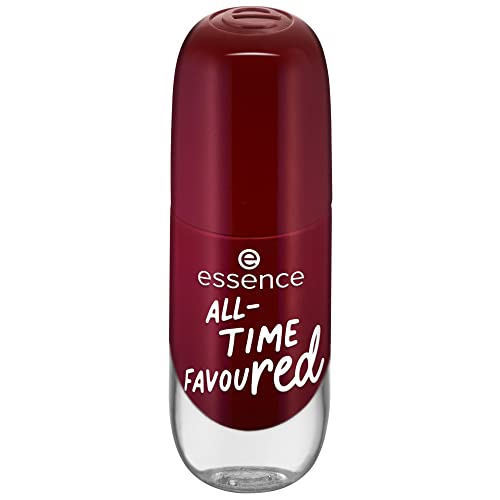
Essence
Gel Nail Colour
nail polish · 8 ml · 9 ingredients
- Fragrance-free
- No essential oils
Frequently asked questions
Is it safe to cut your cuticles?
Medical authorities including the Mayo Clinic and the American Academy of Dermatology advise against cutting cuticles. The cuticle forms a protective seal that prevents bacteria and fungi from reaching the nail matrix. Cutting it creates a breach in this barrier and is a leading cause of paronychia (nail fold infection). Gently pushing cuticles back with a wooden stick after soaking achieves a neat appearance without removing the protective seal.
What is the best cuticle oil ingredient?
Jojoba oil is widely regarded as particularly effective because its molecular structure resembles skin sebum, giving it good penetration. Vitamin E supports barrier repair, and urea at 5–10% concentration is the strongest humectant for very dry or overgrown cuticles. In practice, consistency of application matters more than the specific oil used — the best cuticle oil is whichever one you will apply daily.
How often should I apply cuticle oil?
Ideally 2–3 times daily when cuticles are actively dry or cracked, reducing to once daily for maintenance. The most impactful application is immediately after washing and drying hands — this moment, when the cuticle is pliable but about to lose moisture through evaporation, is when a moisturizing agent produces the greatest benefit. An overnight application with cotton gloves is the most intensive treatment for severely dry cuticles.
Why do my cuticles keep cracking in winter?
Cold air holds less moisture than warm air, and indoor heating further reduces indoor humidity. This combination dramatically accelerates moisture loss from the skin and cuticle. Winter is also when most people wash their hands more frequently due to colds and flu, compounding the wet–dry drying effect. Apply cuticle oil after every hand wash in winter and consider wearing cotton gloves at night with a thick cream or petroleum jelly.
What is the difference between the cuticle and the eponychium?
In clinical anatomy, the eponychium is the live skin of the proximal nail fold that overlies the nail matrix. The 'true cuticle' is the thin film of hardened dead keratin deposited by the eponychium onto the growing nail plate surface — it is this film that forms the visible seal between skin and nail. In everyday use, 'cuticle' is used loosely to refer to the entire proximal nail fold region including both structures. The live eponychium should never be cut; the dead cuticle film can be gently softened and pushed back.
Sources
- 01Fingernails: Do's and don'ts for healthy nails — Mayo Clinic. Explicitly advises against cutting or removing cuticles as the cuticle seals skin to nail and removal creates risk of infection; recommends moisturizing cuticles and using gentle technique to push back rather than cut.
- 02Paronychia - StatPearls - NCBI Bookshelf — NIH / NCBI StatPearls. Paronychia results from disruption of the protective cuticle barrier between the nail and skin fold; manicures and pedicures (including cuticle trimming) are predisposing factors; management includes warm soaks and antibiotics for bacterial cases.
- 03Management of Chronic Paronychia — PMC / NIH — Indian Journal of Dermatology, 2014-01-01. Chronic paronychia most often involves Candida species following barrier disruption; the cuticle forms a seal protecting against allergens, irritants, and pathogens; prevention focuses on avoiding trauma including cuticle manipulation and minimizing wet work.
- 04Anatomy, Shoulder and Upper Limb, Nails — StatPearls — NIH / NCBI StatPearls. Describes the proximal nail fold and cuticle (eponychium) anatomy; the cuticle provides a barrier against penetration of water and toxic chemicals into the nail matrix; nail matrix is responsible for nail plate formation.
- 05Understanding the Formidable Nail Barrier: A Review of the Nail Microstructure, Composition and Diseases — PMC / NIH — Pharmaceutics, 2017-03-01. Reviews nail plate microstructure, lamellar lipid cement composition, and the role of the cuticle/proximal nail fold seal in preventing pathogen entry; water content and lipid matrix are key determinants of nail plate flexibility and integrity.