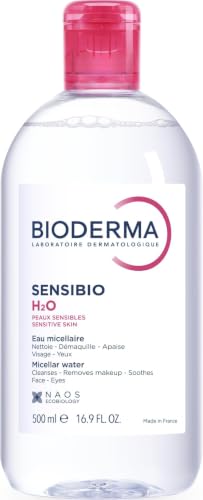
Bioderma Sensibio
H2O Micellar Water
micellar water · 500 ml · 10 ingredients
- Fragrance-free
- No essential oils
Full ingredient lists, decoded. Free-from facts on every product.
Ingredient dictionary
Also listed as: Disodium Edetate, Edetate Disodium
Disodium EDTA is a salt of ethylenediamine tetraacetic acid, a chelating agent that binds metal ions so they cannot disrupt a formula. It is on the label of 254 products in our library. Checked against our library November 6, 2026.
The catch: none for most people; check the full product list if your skin reacts easily.
Disodium EDTA is a synthetic salt. It is made in a chemical plant from ethylenediamine, a basic building block also used in other industries. Like its parent acid, it has several arms that can grip metal ions, much like a claw holding onto a ball.
Formulators add it to help control hard water minerals like calcium and magnesium. Those minerals can leave cloudy films or dull lather, and stray metal traces can affect color, scent or preservative performance. By binding these ions, Disodium EDTA keeps the formula clear and stable. It dissolves fully in water, adds no feel of its own, and is used in small amounts.
Good for
Suits most skin and hair types, and shows up often in cleansers, moisturizers, sunscreens, shampoos and micellar waters.
Be careful if
Nothing in particular for most skin types.
Disodium EDTA is widely used in cosmetics and is generally well tolerated. It is not a common irritant for most people. If your skin is very sensitive, any ingredient can cause a reaction, so patch testing a new product first is sensible.
EDTA is the parent acid. Disodium EDTA is a salt form of it, with two sodium ions attached. Both act as chelators, which means they bind metal ions. The salt dissolves more easily in water, which is why formulators often choose it.
Bioderma Sensibio
micellar water · 500 ml · 10 ingredients

Bioderma Sensibio
micellar water · 500 ml · 10 ingredients

CeraVe
cleanser · 236 ml · 22 ingredients

CeraVe
cleanser · 473 ml · 23 ingredients

CeraVe
cleanser · 474 ml · 25 ingredients

Garnier
micellar water · 700 ml · 7 ingredients

Simple
makeup remover · 16 ingredients
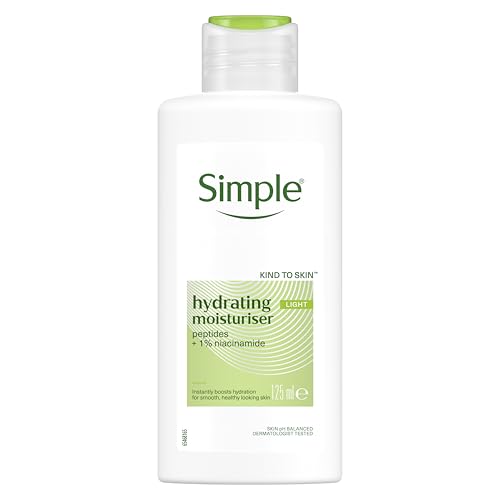
Simple
moisturizer · 125 ml · 30 ingredients