
Sally Hansen
Sally Hans Sally Hansen Complete Care 7-in-1 Nail Treatment Strengthener Clear
nail treatment · 13.3 ml · 33 ingredients
- Fragrance-free
- No essential oils
- With glycerin
- With retinoids
- With vitamin c
Full ingredient lists, decoded. Free-from facts on every product.
Ingredient dictionary
Also listed as: Hydrolysed Soy Protein
A soy protein that has been broken into smaller pieces, so it can coat hair and skin more easily. Its main job is conditioning and film-forming. It is on the label of 17 products in our library. Checked against our library November 6, 2026.
The catch: none for most people; check the full product list if your skin reacts easily.
Hydrolyzed soy protein starts as soy protein, which is taken from soybeans. Hydrolysis uses water plus acid, alkali, enzymes or heat to cut the long protein chains into smaller peptides and amino acids. The result is a mix of smaller pieces that dissolve more easily than the original protein.
Formulators use it because the smaller pieces can sit on the surface of hair and skin and form a thin, flexible film. That film smooths the surface, helps reduce the look of frizz and helps keep moisture in place. It feels light and slightly silky, which is why it suits leave-in products, masks and nail treatments.
Good for
Suits anyone wanting smoother, softer hair, skin or nails, and people who like light leave-in products.
Be careful if
Nothing in particular for most skin types.
It can help. The small protein pieces coat each strand, which may make hair feel softer, smoother and easier to comb. It works best as a light conditioning step rather than a deep repair product.
Soy is a common allergen, so people with a known soy allergy should avoid it or ask a doctor first. Hydrolysis changes the protein, but it may not remove every trace, so patch testing a small area first is a sensible step.
Sally Hansen
nail treatment · 13.3 ml · 33 ingredients

Garnier
face mask · 320 ml · 20 ingredients

Redken
leave-in conditioner · 250 ml · 31 ingredients

Embryolisse
body lotion · 75 ml · 20 ingredients
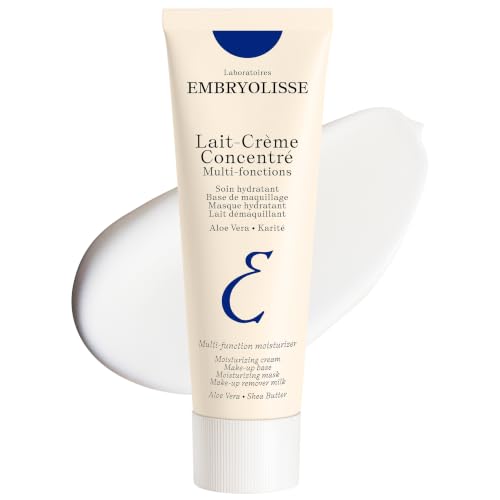
Embryolisse
makeup remover · 30 ml · 20 ingredients

Jack Black
serum · 15 ml · 31 ingredients

Paula's Choice
retinol serum · 4.73 ml · 53 ingredients

Redken
conditioner · 300 ml · 23 ingredients