
Nivea Men
Sensitive Moisturiser Tube
moisturizer · 75 ml · 22 ingredients
- Fragrance-free
- No essential oils
- With glycerin
- With panthenol
- With shea butter
Full ingredient lists, decoded. Free-from facts on every product.
Ingredient dictionary
Maltodextrin is a powdery, sugar-like starch fragment made by partly breaking down plant starch. Its main job is to add body, bulk, and a smooth feel to a formula. It is on the label of 58 products in our library. Checked against our library November 6, 2026.
The catch: none for most people; check the full product list if your skin reacts easily.
Maltodextrin is made by breaking down starch from plants such as corn, potato, or tapioca. Producers use heat, water, and enzymes or acids to cut the long starch chains into shorter pieces. The result is a fine white powder that dissolves easily in water.
Formulators use it mainly for bulk and texture. It adds body and a soft, cushiony feel, and it helps hold moisture near the skin or hair. In scrubs, it can help carry the exfoliating particles. Because it is mild and easy to work with, it shows up often in everyday products.
Good for
Suits most skin and hair types, since it is generally well tolerated and common in everyday moisturizers, cleansers, and shampoos.
Be careful if
Nothing in particular for most skin types.
For most people, no. It is a starch-derived carbohydrate that is generally well tolerated and common in everyday products. It is not a common irritant. If your skin reacts easily, patch test any new product first.
No, not quite. Maltodextrin is a chain of glucose units, while table sugar is a smaller molecule. Maltodextrin is much less sweet and is used for texture and bulk, not sweetness. So its presence on a label does not mean the product is sugary.
Nivea Men
moisturizer · 75 ml · 22 ingredients

The Ordinary
eye cream · 30 ml · 26 ingredients

La Roche-Posay Lipikar
baby lotion · 200 ml · 26 ingredients

La Roche-Posay Lipikar
baby lotion · 400 ml · 27 ingredients

CeraVe
eye cream · 14 ml · 41 ingredients
La Roche-Posay
exfoliant · 30 ml · 19 ingredients

Timotei
shampoo · 300 ml · 23 ingredients
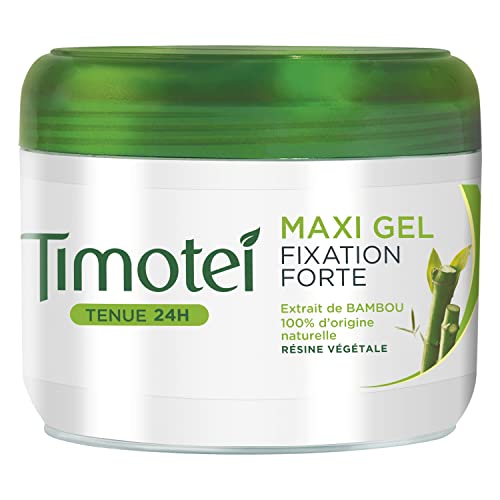
Timotei
moisturizer · 300 ml · 22 ingredients