
CeraVe
AM Facial Moisturising Lotion SPF30
sunscreen · 52 ml · 36 ingredients
- Fragrance-free
- No essential oils
- With ceramides
- With niacinamide
- With hyaluronic acid
Full ingredient lists, decoded. Free-from facts on every product.
Ingredient dictionary
A mild emulsifier made from cetyl alcohol, a fatty alcohol, and phosphate. It helps oil and water mix into smooth, stable creams and lotions. It is on the label of 53 products in our library. Checked against our library November 6, 2026.
The catch: none for most people; check the full product list if your skin reacts easily.
Potassium cetyl phosphate starts with cetyl alcohol, a waxy fatty alcohol. It is reacted with phosphoric acid, then balanced with potassium to form a salt that works well in cosmetics.
Each molecule has an oil-loving tail and a water-loving head. That shape lets it sit between oil and water and hold them together. Formulators use it in creams, lotions, sunscreens, and mascara to keep textures smooth and stable. It feels light on the skin and is generally well tolerated.
Good for
Suits people who want smooth, stable creams and lotions, such as sunscreens and hand creams.
Be careful if
Nothing in particular for most skin types.
It is widely used in creams and lotions and is generally well tolerated. Like any ingredient, it can rarely bother a person with a specific sensitivity. If a product stings or causes redness, stop using it and check with a dermatologist.
It is often used in gentle formulas because it is a mild emulsifier. Still, sensitive skin reacts to different things, so patch test any new product first. Look at the full ingredient list, not just this one.
CeraVe
sunscreen · 52 ml · 36 ingredients

CeraVe
sunscreen · 52 ml · 40 ingredients

Neutrogena Norwegian Formula
hand cream · 75 ml · 14 ingredients

Neutrogena Norwegian Formula
hand cream · 75 ml · 15 ingredients
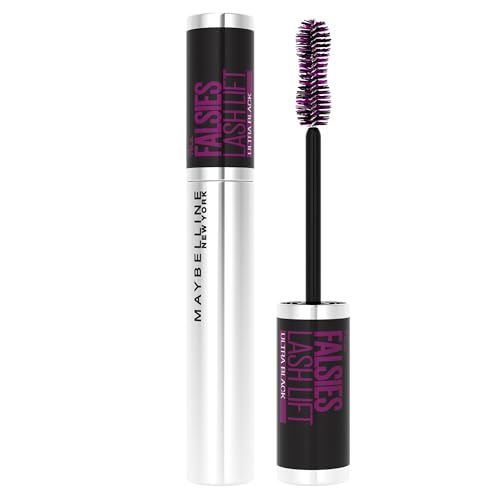
Maybelline
mascara · 10 ml · 35 ingredients
La Roche-Posay
acne treatment · 40 ml · 33 ingredients

Aveeno
body lotion · 50 ml · 25 ingredients

Balea
serum · 30 ml · 23 ingredients