
Essence
The Super Peptide Glossy Lip Treatment
lip balm · 10 ml · 28 ingredients
- No essential oils
- With peptides
- With shea butter
- With titanium dioxide
Full ingredient lists, decoded. Free-from facts on every product.
Ingredient dictionary
Synthetic Wax is a man-made wax, often built from petroleum or other hydrocarbons, that gives a formula body, structure and a smooth glide. It is on the label of 46 products in our library. Checked against our library November 6, 2026.
The catch: none for most people; check the full product list if your skin reacts easily.
Synthetic waxes are made in a lab or factory rather than taken from plants or animals. Many are hydrocarbon waxes, built from petroleum, natural gas or coal, and some are made by linking small ethylene units into a long chain. The process gives a steady, predictable wax with the same feel from batch to batch.
Formulators use it to add body to lipsticks, balms, eyeshadows and creams. It raises the melting point, so a stick keeps its shape in a warm bag or pocket. It also helps a formula feel smooth and spread evenly. Used in modest amounts, it usually feels light on the skin and adds structure without a heavy, greasy film.
Good for
Suits formulas that need a firm, smooth texture, such as lip products, eyeshadows, serums and moisturizers.
Be careful if
Nothing in particular for most skin types.
Synthetic wax is widely used in cosmetics and is generally considered gentle for most skin types. As with any ingredient, a rare person may react, so patch test new products if your skin is sensitive.
Not exactly. Paraffin is a wax refined from petroleum. Synthetic wax is a broader term for waxes made by chemical processes, and some act much like paraffin. Both add structure to a formula.
Essence
lip balm · 10 ml · 28 ingredients
La Roche-Posay
moisturizer · 40 ml · 27 ingredients

Beauty of Joseon
cleanser · 100 g · 20 ingredients

Catrice
brow product · 1 g · 11 ingredients

Catrice
brow product · 4 g · 15 ingredients

Revlon
lipstick · 4.2 g · 23 ingredients
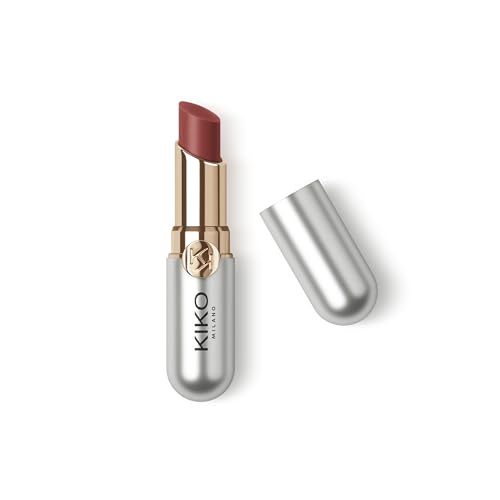
Kiko Milano
moisturizer · 2 g · 28 ingredients
Catrice
mascara · 10 ml · 29 ingredients