Powder vs Cream vs Liquid Blush: Which Is Right for You?
The short answer
Powder blush suits oily skin; cream suits dry or mature skin.
Why Formula Matters as Much as Color
Choosing the right blush shade gets most of the attention, but blush formula is equally important — and often more practically decisive. The same color in a powder versus a liquid formula will look, feel, blend, and wear completely differently on the same face. Choosing the wrong format for your skin type can mean color that fades within an hour, an uneven patchy application, or a finish that emphasizes dry patches or excess oiliness.
Three variables drive the formula choice:
- Skin type — oily, dry, combination, normal, mature
- Desired finish — matte, natural, dewy, shimmer
- Skill level and available tools — powder is easiest; liquid requires practice
This guide covers all three formats in depth and provides a direct comparison to help you decide.
Powder Blush
What It Is
Powder blush is a finely milled pigmented powder, typically pressed into a compact (occasionally sold loose). It may be matte, satin, or shimmer in finish, and usually contains talc or mica as base, with pigment and binders.
Finish and Appearance
- Matte powder: flat color, no reflection; the most natural-looking and most widely versatile.
- Satin powder: subtle sheen without visible shimmer particles; the most popular finish in professional makeup kits.
- Shimmer powder: visible reflective particles that add glow alongside color.
Powder blush sits on top of the skin and foundation rather than melting into it. This means the texture is more visible than cream or liquid blush, but it also means application is more controllable and mistakes are easier to correct.
Best For
| Skin Type | Suitability |
|---|---|
| Oily | Excellent — absorbs excess oil, doesn't add moisture |
| Combination | Good — especially in the T-zone-prone areas |
| Normal | Good — versatile across all finish types |
| Dry | Fair — works well over a moisturizing primer, but can look patchy over dry patches |
| Mature | Fair — fine-milled formulas work; avoid heavy shimmer which sits in fine lines |
How to Apply
- Complete your base makeup — foundation and setting powder if using.
- Load a fluffy, tapered blush brush; tap off excess.
- Apply to placement zone with a sweeping or pressing motion.
- Build gradually — add layers rather than loading the brush heavily.
- Blend edges with a clean brush.
Tools: Fluffy tapered brush for most placements; fan brush for a lighter, more diffused wash.
Longevity
Powder blush over a powder-set matte base is the longest-wearing combination for oily skin — the powder base prevents the blush from sliding. On bare skin or a dewy base, powder blush tends to fade faster and can become patchy as the day progresses.
Correction
Most forgiving of all three formats. Too much? A clean fluffy brush swept over the area diffuses and softens. Set with a translucent powder to lock in the color if it fades mid-day.
Cream Blush
What It Is
Cream blush is a pigmented emollient formula — typically in a compact, balm stick, or pot — that contains a blend of waxes, oils, and pigments. It has a creamy to mousse-like consistency and blends into the skin rather than sitting on top of it.
Finish and Appearance
Cream blush delivers a natural, skin-fused, dewy finish that most closely resembles the genuine flush of blood in the cheeks. Because it melts into the top layers of skin (rather than coating the surface like powder), it looks less like makeup and more like the skin's own color. Finishes range from matte cream to glowing satin — most cream blushes have at least a subtle luminosity.
The look is warmer and more natural than powder; less obviously pigmented but often longer-wearing on dry skin.
Best For
| Skin Type | Suitability |
|---|---|
| Dry | Excellent — emollients prevent dry patches from showing; adds a dewy effect |
| Mature | Excellent — the cream base doesn't settle into fine lines; most skin-like finish |
| Normal | Excellent — versatile, natural appearance |
| Combination | Good — apply to cheeks only; can feel heavy on the T-zone |
| Oily | Fair — can slide on the T-zone; set with powder over the top to extend wear |
How to Apply
- Apply to bare skin or over a light, thin layer of foundation — before any powder products.
- Use fingertips (best), a flat-top brush, or a damp beauty sponge with a stippling motion.
- Body heat from the fingers melts the product for the most seamless blend.
- Work in the correct placement zone and blend edges while the product is still workable.
- Allow to set for 30–60 seconds before applying powder products over the top.
Note: Cream blush applied over a heavy powder base will not blend smoothly — the powder absorbs the moisture and creates a patchy, broken texture. Apply cream products in the correct sequence (before powders).
Longevity
On dry skin, cream blush can outlast powder because it bonds to the skin's natural oils. On oily skin, it may move or fade without a powder layer over the top. Setting cream blush with a light dusting of translucent or matching powder extends wear on all skin types.
Correction
Moderately forgiving. A damp sponge pressed over the area immediately after application can lighten or blend over-applied product. Once it has set, it is harder to correct without disturbing the foundation underneath. Building slowly is the key prevention.
Liquid Blush
What It Is
Liquid blush is a water-based or water-and-oil emulsion formula, typically packaged in a small tube or bottle with a doe-foot wand, dropper, or squeeze applicator. It contains a high concentration of pigment and often skin-conditioning agents. It is the most pigmented and most concentrated of the three blush formats.
Finish and Appearance
Liquid blush produces a wide range of finishes depending on the formula: from a sheer, watercolor-wash stain to an intense, pigment-rich flush. Most liquid blushes dry to a natural-to-dewy finish. The key characteristic of liquid blush is that it stains the skin rather than coating it — once set, it looks as though the color is coming from inside the skin.
Best For
| Skin Type | Suitability |
|---|---|
| Oily | Good — many liquid blushes are water-based and non-greasy; pair with a powder to set |
| Normal | Excellent — the most versatile formula for varying finishes |
| Dry | Good — choose a formula with added emollients; dewy finishes complement dry skin |
| Combination | Good — apply precisely to the cheeks; blends well on most bases |
| Mature | Fair — works well on firm skin; on very mature skin, very intense colors can look stark |
How to Apply
- Apply before any powder products, over bare skin or a light foundation base.
- Use the included wand or a dropper to place one to two small dots on each cheek in the correct zone — the amount is almost always less than you expect.
- Blend immediately — liquid blush starts setting on contact with warm skin within 10–20 seconds. Use fingertips or a damp sponge with a tapping motion.
- Once blended, do not try to rework — it will ball up or streak if re-touched after setting.
- Build intensity by adding a second layer on top of the first once it has dried, not by applying a large amount at once.
The single most important rule with liquid blush: start with far less than you think you need. One dot per cheek is often enough for a full flush of color.
Longevity
Liquid blush generally has the longest wear of all three formats — it stains the skin, so fading is gradual rather than sudden. On oily skin, a powder set over the top extends wear further. Many liquid blushes are transfer-resistant once set.
Correction
Least forgiving. Once liquid blush sets (within 30–60 seconds), it cannot be removed cleanly without a makeup remover or oil cleanser. Over-application means starting the base makeup from that area again. Prevention is the only practical strategy: start with minimal product.
Head-to-Head Comparison
| Feature | Powder Blush | Cream Blush | Liquid Blush |
|---|---|---|---|
| Best skin type | Oily, combination | Dry, mature, normal | All types |
| Finish | Matte to shimmer | Natural dewy to satin | Sheer stain to intense flush |
| Longevity | Medium (longer on powder base) | Medium–long | Long (stains skin) |
| Application | Easiest — brush | Easy — fingers/sponge | Moderate — fast blending required |
| Beginner-friendly | Most | Moderate | Least |
| Correction if over-applied | Easy | Moderate | Difficult once set |
| Application order | After powders | Before powders | Before powders |
| Layering with other products | Over powder foundation | Under powder products | Under powder products |
| Travel/convenience | Compact, no spillage | Generally solid/stable | Potential for leaks |
Can You Mix Formulas?
Yes — and professional makeup artists do this routinely. The most common combination is cream under powder: apply cream blush first for skin-fused color, allow to set, then dust a matching powder blush over the top to lock it in and add intensity. This technique layers the long-wearing bonding of cream with the polish and longevity of powder.
Liquid under powder works similarly: dot liquid blush, blend and set, then layer powder over for a finished look with maximum lasting power.
Never layer powder under cream or liquid — the powder absorbs the moisture in cream/liquid products and prevents seamless blending, resulting in a patchy, uneven finish.
Choosing Based on Your Makeup Routine
If you wear full-coverage foundation + setting powder: powder blush is the natural choice — it layers cleanly over a powder-set base and is the easiest to apply at this stage of the routine.
If you wear a dewy foundation or tinted moisturizer: cream or liquid blush integrates more naturally. The dewy base finish and the skin-fused quality of cream/liquid blush create a cohesive, natural look.
If you wear no or minimal base makeup: cream blush directly on bare skin is often the most flattering — it blends into the skin's texture and looks genuinely skin-like. Liquid blush on bare skin can look intense; use sparingly.
If you are new to blush: start with powder. It is forgiving, easy to build, and easy to correct. Graduate to cream and liquid as your placement skills improve.
Related articles: Blush Placement Guide · How to Apply Bronzer · How to Highlight · Contouring Guide for Beginners · Cream vs. Powder Contour
Products that fit this guide
Picked by code from each product's full ingredient list.
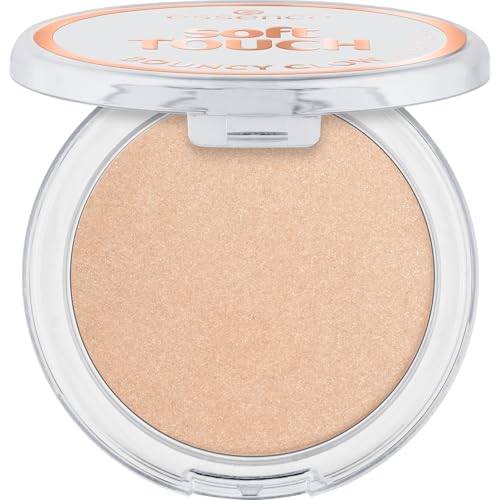
Essence
Soft Touch Bouncy Glow
bronzer · 4 g · 17 ingredients
- Fragrance-free
- No essential oils
- With titanium dioxide
Catrice
Melted Sun Liquid Bronzer
bronzer · 10 ml · 19 ingredients
- Fragrance-free
- No essential oils
- With hyaluronic acid
- With glycerin
- With titanium dioxide

W7
Golden Glow Bronzing Drops
bronzer · 35 ingredients
- Fragrance-free
- No essential oils
- With hyaluronic acid
- With glycerin
- With peptides

Catrice
Aura Glam Bouncy Highlighter
bronzer · 6.4 g · 20 ingredients
- Fragrance-free
- No essential oils
- With titanium dioxide
- With dimethicone
- With vitamin e
Frequently asked questions
Which blush formula is best in 2026 — has liquid blush taken over?
Liquid blush became extremely popular from 2021 onward and remains widely used in 2026, driven partly by viral social media moments. However, it has not replaced powder or cream blush — all three formats remain actively used depending on skin type and preference. The trend in 2026 leans toward natural, skin-fused finishes, which favors cream and liquid formulas for everyday wear. Powder blush remains the top choice for oily skin and for those who prefer the ease of a brush-and-blend application.
Can I use liquid blush if I have oily skin?
Yes — many liquid blushes are water-based and non-greasy, making them compatible with oily skin. The key is to set them with a light powder over the top to lock the pigment and prevent sliding. Avoid liquid blushes with added oils or heavy emollients if your skin is very oily. The staining quality of liquid blush can actually work in oily skin's favor — even when the surface of the makeup moves, the underlying pigment tends to persist.
Why does my cream blush look patchy?
Patchiness in cream blush is almost always caused by one of three things: applying over a powdered base (powder absorbs the cream's moisture and prevents blending), working with blush that has begun to set before blending is complete, or dry skin that has not been adequately moisturized before application. Apply cream blush before any powder products, work quickly with fingertips while the product is still warm and workable, and ensure skin is properly moisturized.
How do I stop liquid blush from staining my skin in the wrong place?
Liquid blush's staining quality is both its main advantage (longevity) and its main challenge (correction difficulty). Prevention is the only reliable strategy: use one drop or a minimal amount, dot it precisely in the intended placement zone, and blend immediately with a tapping motion. If you misplace it before it sets, a damp sponge pressed (not dragged) over the area immediately can lighten the color. If it has set, a makeup remover wipe or a touch of oil cleanser on a cotton pad can remove it, but you will need to reapply foundation over that area.
Does blush formula affect shade selection?
Slightly. Liquid blush formulas tend to be the most highly pigmented — a shade that looks dusty rose in the pan will apply as a vivid rose on the skin. Powder blush is the most accurate to assess in the pan because the finish is closest to how it applies. Cream blush appears creamier and lighter in the pan but blends to a richer, more saturated finish on warm skin. When buying liquid blush especially, choose a shade that looks lighter or less intense than your target — it will deepen on application.
Sources
- 01Liquid vs. Cream vs. Powder Blush Formulas — NYX Professional Makeup. Powder blush is best for oily skin; cream blush suits dry and mature skin with its emollient-rich formula; liquid blush is lightweight, water-based, and requires immediate blending before it sets.
- 02Cream vs Liquid vs Powder Blush: What's the Difference? — Charlotte Tilbury. Cream blush delivers a dewy natural glow and suits dry skin; powder blush offers matte-to-satin finish for polished look; liquid blush provides a radiant, buildable finish.
- 03Liquid VS Powder VS Cream Blush: Which Is Right for You? — YesStyle. Matte powder blush suits oily skin by absorbing excess shine; cream blush is rich in emollients and ideal for dry or mature skin; liquid blush is lightweight and blends seamlessly for most skin types.
- 04Cream vs Liquid vs Powder Blush: Which One Wins? — VIEVE. Cream blush has more slip and melts into complexion; powder blush layers cleanly over powder-set foundation; liquid blush is the most concentrated in pigment.
- 05How To Apply Liquid Blush — NYX Professional Makeup. Liquid blush should be applied with a doe-foot applicator or dropper using a small amount directly on the cheek, then blended immediately with fingertips or sponge before it sets.