Body Acne: Causes, Types & How to Clear Your Back & Chest
The short answer
Body acne is caused by excess oil, clogged pores, bacteria, and friction.
What Is Body Acne?
Body acne is acne vulgaris occurring on the trunk — most commonly the upper back, chest, shoulders, and upper arms. It is driven by the same core pathophysiology as facial acne: overactive sebaceous glands produce excess oil, dead skin cells abnormally accumulate inside hair follicles, Cutibacterium acnes bacteria colonise the blocked follicle, and the immune system mounts an inflammatory response. The result is the same spectrum of lesions seen on the face — comedones, papules, pustules, nodules, and cysts.
What makes body acne distinct is anatomy and environment. The back, chest, shoulders, and upper arms have a high density of large sebaceous glands — hormonally responsive oil glands that are almost as numerous in these zones as on the face. Coupled with the mechanical realities of clothing, sweat, and physical activity, the trunk provides ideal conditions for persistent breakouts.
The Four Root Causes of Body Acne
1. Excess sebum production. Androgens — hormones that rise sharply at puberty and remain active throughout adult life — stimulate sebaceous glands to produce more oil. The back and chest are among the richest sebaceous areas of the entire body, making them particularly reactive to androgenic signals.
2. Follicular hyperkeratinization. Dead cells lining the inside of hair follicles normally shed continuously. In acne-prone skin, these cells clump and adhere to the follicle wall, forming the microcomedone that every visible lesion starts from.
3. Cutibacterium acnes colonization. This anaerobic bacterium thrives in the oxygen-poor, oil-rich environment of a blocked follicle. It metabolizes sebum into inflammatory free fatty acids and triggers an immune response, converting a microcomedone into an inflamed papule or pustule.
4. Inflammation. The immune system's response to C. acnes and disrupted follicular integrity produces the redness, swelling, and pain of inflammatory body acne. Even seemingly non-inflammatory comedones carry a degree of subclinical inflammation.
Body-Specific Triggers: Acne Mechanica
A pattern unique to body areas — and rarely discussed in facial acne guides — is acne mechanica. This is a friction-driven acne flare caused by four converging physical factors working together:
- Friction: Repeated rubbing from clothing seams, bra straps, or sports equipment
- Occlusion: Tight fabrics trapping heat and moisture against the skin
- Pressure: Sustained compression from backpack straps, sports pads, or waistbands
- Heat: Elevated skin temperature increasing sebum fluidity and bacterial activity
Acne mechanica typically begins as small rough bumps over friction zones and progresses to inflamed papules and pustules if the mechanical trigger continues. Athletes, gym-goers wearing compression clothing, and anyone carrying a heavy bag regularly are at elevated risk.
Sweat and Body Acne
Sweat itself is not an acne trigger — sweat is mostly water and contains natural antimicrobial peptides. The problem is sweat left on skin for extended periods, particularly when combined with friction and occlusion. This creates a warm, moist environment that accelerates C. acnes proliferation. Showering within 30–60 minutes of exercise and changing out of damp workout clothes immediately makes a meaningful, measurable difference.
Types of Body Acne Lesions
All the lesion types that appear on the face occur on the body:
| Lesion type | Appearance | Inflammatory? |
|---|---|---|
| Closed comedone (whitehead) | Small flesh-toned sealed bump | No |
| Open comedone (blackhead) | Open follicle with dark oxidized plug | No |
| Papule | Small, firm, raised red bump without pus | Yes |
| Pustule | Red bump with white or yellow pus center | Yes |
| Nodule | Large (>5 mm), hard, deep, painful lump | Yes |
| Cyst | Fluctuant, pus-filled sac; risk of scarring | Yes |
Nodular and cystic body acne — particularly on the back — is always considered severe and should be managed with a dermatologist rather than OTC products alone.
A specific severe variant, acne conglobata, preferentially involves the trunk: interconnecting nodules, cysts, and deep abscesses on the back, chest, shoulders, buttocks, and upper arms. This requires prescription systemic treatment.
The Body Acne Treatment Ladder
Treatment is matched to severity. All treatments require consistent use — most require 6–8 weeks of continuous use before visible improvement appears.
Step 1 — OTC Topicals and Behavioral Changes (Mild Body Acne)
Benzoyl peroxide body wash (5%–10%): The first-line OTC treatment for body acne. For the back and chest, the AAD recommends leaving benzoyl peroxide on the skin for 2–5 minutes before rinsing — this extra contact time compensates for the thicker skin on the trunk. Use the lowest effective concentration to minimize skin bleaching of towels and clothing.
Salicylic acid cleanser (2%): A beta-hydroxy acid that penetrates into follicles, dissolving dead cell bonds and clearing comedones. Useful for predominantly comedonal (non-inflammatory) body acne.
OTC adapalene 0.1% gel: Apply a thin layer to affected areas daily after showering or before bed. Adapalene normalizes follicular cell turnover at the root level, preventing new microcomedones from forming. It can cause initial dryness and purging; give it at least 8 weeks.
Behavioral changes (non-negotiable alongside any topical):
- Shower and change clothes immediately after exercise — within 30–60 minutes
- Wash workout clothes after every single use; never wear unwashed gear twice
- Switch to loose-fitting workout clothes made of cotton or sweat-wicking fabric
- Avoid backpacks and shoulder straps pressing against breakout zones when possible
- Do not use harsh scrubs, loofahs, back brushes, or buff puffs — these traumatize the skin barrier without clearing pores
- Avoid antibacterial soaps and astringents; use a gentle, pH-balanced cleanser
- Switch to non-comedogenic body moisturizers, sunscreens, and body oils
Step 2 — Prescription Topicals (Mild–Moderate Body Acne)
When OTC options are insufficient after 2–3 months, a dermatologist can prescribe:
- Prescription-strength retinoids (tretinoin, tazarotene, trifarotene): Greater potency than OTC adapalene; address both comedones and inflammation. Tazarotene 0.045% lotion received FDA approval as a tolerable newer formulation.
- Topical antibiotics (clindamycin): Always combined with benzoyl peroxide to prevent antibiotic resistance — the 2024 AAD guidelines make this pairing essential.
- Combination products (adapalene + benzoyl peroxide): Fixed-dose combinations consistently outperform single-agent approaches in clinical trials, with network meta-analyses showing combination therapy achieving 25–36% reductions in total lesion count versus 11–21% with monotherapy.
- Azelaic acid (15% prescription): Antibacterial, anti-inflammatory, and useful for post-inflammatory hyperpigmentation — particularly relevant in darker skin tones where PIH is a significant concern.
Step 3 — Systemic Treatments (Moderate–Severe Body Acne)
For widespread, nodular, or treatment-resistant body acne:
- Oral antibiotics (doxycycline, minocycline, sarecycline): Reduce C. acnes populations and suppress inflammation. The 2024 AAD guidelines reserve them for moderate-to-severe cases, with an emphasis on short courses (3–6 months) combined with a topical retinoid and benzoyl peroxide to prevent resistance.
- Combined oral contraceptives / spironolactone: For women with hormonally driven body acne — particularly effective for cyclical flares and jawline, chest, and upper back involvement.
- Oral isotretinoin: For severe nodular or cystic body acne, acne that is causing or risking scarring, or acne that has failed multiple other treatments. Oral isotretinoin is the only treatment capable of long-term remission — research shows approximately 80% of severe acne patients achieve sustained clearance. It requires dermatologist prescribing, strict monitoring, mandatory pregnancy prevention, and regular blood tests.
Body Acne vs. Other Conditions That Look Like Acne
Not every bump on the back or chest is acne. Conditions that mimic body acne include:
Folliculitis: Infection or inflammation of hair follicles caused by bacteria (commonly Staphylococcus aureus), fungi (Malassezia), or mechanical irritation. Folliculitis typically presents as uniform small pustules and can worsen with the same benzoyl peroxide or topical antibiotics that treat acne. If body acne doesn't respond to standard treatment, folliculitis should be considered.
Pityrosporum (fungal) folliculitis: Caused by overgrowth of Malassezia yeast — worsened by heat, sweat, and occlusion (all common factors in gym-goers). It presents as itchy, monomorphic follicular papules and pustules predominantly on the chest and upper back. Antifungal treatment (ketoconazole shampoo used as a body wash) addresses the root cause rather than standard acne treatment.
Keratosis pilaris: Rough, follicular bumps caused by keratin plugs — predominantly on the upper arms, thighs, and cheeks. Not inflammatory acne; managed with gentle chemical exfoliation (lactic acid, urea) rather than anti-acne actives.
Miliaria (heat rash): Small, itchy, red bumps or blisters caused by blocked sweat glands, particularly in hot weather or during intense exercise. Resolves by cooling the skin and avoiding further sweat occlusion.
If you are uncertain about your diagnosis, a dermatologist can differentiate these conditions — some require very different treatment.
Body Acne in Skin of Color
Body acne lesions affect all skin tones equally, but post-inflammatory hyperpigmentation (PIH) — the dark marks left after lesions resolve — is more common and more persistent in melanin-rich skin. For darker skin tones, PIH on the back or chest can persist for months and may be the primary cosmetic concern. Treatments that address both active acne and PIH simultaneously — azelaic acid, topical retinoids, niacinamide — are particularly useful in this context.
Harsh physical scrubbing and picking lesions increase PIH risk significantly and should be avoided.
When to See a Dermatologist
OTC treatment is a reasonable starting point for mild body acne. See a dermatologist if:
- Body acne includes nodules or cysts, or covers large areas of the back or chest
- Any lesions are causing or threatening permanent scarring
- OTC treatments have been used consistently for 2–3 months without meaningful improvement
- Body acne appears alongside signs of a hormonal disorder (irregular periods, unexplained weight gain, excess body hair in women)
- You suspect the breakouts may be folliculitis, fungal acne, or another condition requiring different treatment
- Acne is significantly affecting quality of life or mental health
Early professional intervention substantially reduces the risk of lasting scarring. Body acne scars — particularly on the back — can be permanent; the investment in prompt, appropriate treatment is worthwhile.
Products that fit: body acne
Picked by code from each product's full ingredient list.
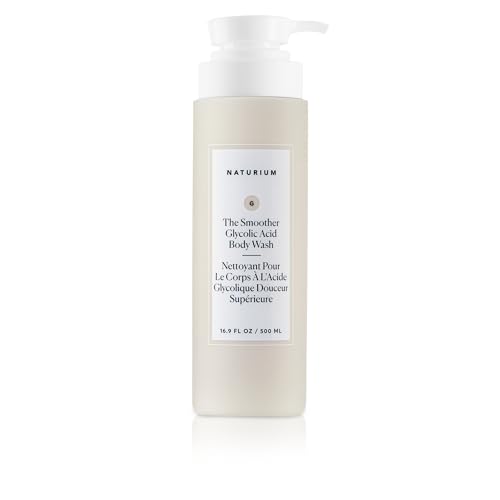
Naturium
The Smoother Glycolic Acid Exfoliating Body Wash
body wash · 500 ml · 27 ingredients
- Fragrance-free
- No essential oils
- With glycolic acid
- With lactic acid

Neutrogena
Anti-Spot Facial Cleansing Daily Wash Gel
body wash · 200 ml · 18 ingredients
- No essential oils
- With salicylic acid

Vichy
Normaderm Intensive Purifying Foaming Cleanser Gel
body wash · 200 ml · 16 ingredients
- No essential oils
- With salicylic acid

CeraVe
Hydrating Cream-to-Foam Cleanser
body lotion · 236 ml · 60 ingredients
- Fragrance-free
- No essential oils
- With salicylic acid
- With lactic acid
When to see a professional
Consult a dermatologist if: body acne includes nodules or cysts; any lesion is causing or threatening permanent scarring; OTC treatments used consistently for 2–3 months have not produced meaningful improvement; body acne appears alongside signs of a hormonal disorder (irregular periods, excess body hair, unexplained weight changes in women); you suspect the condition may be folliculitis, fungal acne, or another condition requiring different treatment; or body acne is significantly affecting quality of life. Body acne scars — especially on the back — can be permanent, and early professional treatment substantially reduces this risk.
Frequently asked questions
What is the most effective treatment for body acne in 2026?
The 2024 AAD updated guidelines recommend combination therapy as more effective than single-agent approaches for most severity levels — specifically a retinoid (adapalene OTC or prescription tretinoin) combined with benzoyl peroxide. For body areas, benzoyl peroxide body wash left on for 2–5 minutes before rinsing is a practical first step, combined with OTC adapalene gel applied after showering. For moderate-to-severe body acne, prescription options including oral antibiotics, hormonal therapy (for women), or isotretinoin for severe cystic cases are evaluated by a dermatologist. Clinical data show combination topical regimens reduce lesion counts by 25–36% versus 11–21% with monotherapy.
Why do I get more acne on my back and chest than my face?
The back, chest, and shoulders contain a high density of large, androgen-sensitive sebaceous glands — the oil-producing structures whose overactivity drives acne. These areas also experience more friction, occlusion, and heat from clothing and physical activity than the face does. Additionally, it can be harder to apply and maintain a consistent skincare routine on the back compared to the face, meaning lesions progress further before treatment reaches them.
Does sweating cause body acne?
Sweat itself does not directly cause acne. However, sweat left on skin for extended periods — especially when combined with friction, tight clothing, or sports equipment — creates a warm, occluded environment that accelerates C. acnes bacterial growth. The practical fix is straightforward: shower within 30–60 minutes of exercise and change out of workout clothes immediately. This simple behavioral change makes a measurable difference in body breakout frequency.
How is body acne different from facial acne?
The underlying biology is the same, but body acne has distinct features. Trunk skin is thicker — which is why benzoyl peroxide needs 2–5 minutes of contact time on the body rather than being rinsed off immediately. Body areas are subject to mechanical triggers (acne mechanica from friction, pressure, and occlusion) that rarely affect the face. And there is a greater prevalence of confounding conditions — folliculitis, fungal acne, keratosis pilaris — that can mimic acne on the body and require different treatment.
Is body acne a sign of poor hygiene?
No. Body acne develops inside the hair follicle, driven by hormonal and biological factors — not surface dirt. Over-washing, harsh scrubbing with loofahs or body brushes, or using antibacterial soaps can actually worsen body acne by stripping the skin barrier and increasing inflammation. Twice-daily gentle cleansing with a non-comedogenic body wash is sufficient.
Can sunscreen or body lotion cause body acne?
Yes — comedogenic ingredients in body lotions, sunscreens, and hair care products can cause or worsen body acne, particularly on the chest and upper back where such products often drip or spread. Look for products labeled non-comedogenic or oil-free. Sunscreen is still important (especially on the chest during UV exposure), but choosing a lightweight, non-comedogenic formulation resolves most product-related body breakouts.
Health information, not medical advice.
Beauty Comparison is an independent editorial publication. This page is researched and sourced to the authorities listed below, but it is general information — not a diagnosis or a substitute for personalised advice from a qualified doctor, dermatologist or pharmacist. If your symptoms are severe, spreading, painful, or not improving, see a healthcare professional.Sources
- 01Back Acne: How to See Clearer Skin — American Academy of Dermatology (AAD). AAD recommendations for back acne: leave benzoyl peroxide on 2–5 minutes before rinsing; use 5%–10% concentration; apply adapalene daily; shower after exercise; avoid loofahs, harsh scrubs, and antibacterial soaps; wear loose-fitting cotton or wicking fabrics.
- 02Acne Vulgaris — StatPearls — NCBI Bookshelf / NIH, 2023-06-01. Acne occurs on face, neck, chest, upper back, and upper arms where sebaceous glands are most numerous; four pathogenic factors: sebum, hyperkeratinization, C. acnes, inflammation; acne conglobata involves trunk prominently with interconnecting cysts and abscesses.
- 03Recent Trends in the Management of Acne Vulgaris: A Review Focusing on Clinical Studies in the Last Decade — PubMed Central / NIH, 2024-04-01. Combination therapies (retinoid + benzoyl peroxide ± antibiotic) reduce lesion counts by 25–36% versus 11–21% with monotherapy; 2024 guidelines emphasize benzoyl peroxide, topical retinoids, and systemic therapies matched to severity; tazarotene 0.045% lotion approved with improved tolerability.
- 04American Academy of Dermatology Issues Updated Guidelines for the Management of Acne — American Academy of Dermatology (AAD), 2024-01-01. 2024 updated guidelines recommend combination therapy over monotherapy; antibiotic stewardship requiring simultaneous benzoyl peroxide; topical clascoterone and trifarotene as options; oral antibiotics limited to 3–6 month courses.
- 05Exploring Acne Treatments: From Pathophysiological Mechanisms to Emerging Therapies — PubMed Central / NIH, 2024-05-01. Four pathogenic factors: sebum production, follicular hyperkeratinization, C. acnes colonisation, inflammation; isotretinoin achieves long-term remission in approximately 80% of severe acne patients.
- 06Acne Vulgaris: Features, Types, and Treatments — DermNet NZ, 2023-06-01. Lesion classification (comedones, papules, pustules, nodules, pseudocysts); back and chest acne involvement; acne graded mild, moderate, severe based on lesion type and extent.