How to Fix Extremely Dry Body Skin: The Right Routine
The short answer
Fix dry body skin by applying a thick cream or ointment with ceramides or urea.
Why Body Skin Gets Extremely Dry
Dry body skin — clinically termed xerosis cutis or xeroderma — occurs when the outermost skin layer (stratum corneum) loses water faster than it can retain it. The stratum corneum is a 15–20-layer stack of dead skin cells (corneocytes) embedded in a lipid matrix. When this matrix is depleted, the skin's ability to prevent water evaporation — measured as transepidermal water loss (TEWL) — degrades rapidly.
Three structural components maintain healthy skin hydration:
1. Ceramides: Lipid molecules that form about 40–50% of the stratum corneum's intercellular matrix. They act as the mortar holding the corneocyte bricks together. When ceramide levels drop, water escapes and irritants penetrate more easily.
2. Natural Moisturizing Factors (NMFs): A mixture of water-soluble compounds — urea, lactic acid, amino acids, pyrrolidone carboxylic acid — found exclusively in the stratum corneum and comprising approximately 10% of its dry weight. NMFs draw water from the environment and lock it inside the skin cells. Their depletion causes the immediate tight, rough sensation of dry skin.
3. Filaggrin: A structural protein that reinforces keratin connections and degrades into NMF components. Filaggrin deficiency (common in atopic dermatitis) accelerates xerosis significantly.
The most common causes of stripping these protective factors include:
- Hot water and long showers: Hot water dissolves skin lipids faster than lukewarm water. Each long hot shower removes a measurable layer of protective lipids.
- Alkaline soaps: Traditional soap bars have a pH of 9–11; skin's natural pH is 4.5–5.5. Alkaline cleansers disrupt the acid mantle and the enzyme activity that maintains the lipid barrier.
- Low-humidity environments: Indoor heating reduces ambient humidity to 20–30%, drastically accelerating TEWL. Winter central heating is the most common seasonal trigger of xerosis.
- Age: Ceramide and NMF production declines with age. Skin over 60 produces significantly less of its own protective lipids.
- Medical conditions: Hypothyroidism, kidney disease, diabetes, atopic dermatitis, psoriasis, and ichthyosis all predispose to persistent xerosis.
- Certain medications: Diuretics, retinoids, statins, and some blood pressure medications increase dryness as a side effect.
The Right Routine: Step by Step
Step 1 — Cleansing: Switch to a Gentle Syndet Cleanser
The cleanser you use during a shower has an outsized impact on body dryness because it is the most stripping part of any routine.
Use a syndet (synthetic detergent) body cleanser. Syndets are formulated at a pH of 4.5–5.5, closely matching the skin's own pH. They clean without disrupting the acid mantle or stripping the lipid barrier. Research confirms they are significantly less irritating than traditional alkaline soaps, and they do not exacerbate xerosis. Look for body washes labeled as gentle, pH-balanced, or soap-free; many moisturizing body washes are syndets by formulation even if not labeled as such.
Avoid: Traditional bar soaps (usually alkaline), antibacterial body washes (often contain sulfates and alcohol), and any product with strong fragrance or alcohol.
Step 2 — Shower Habits: Lukewarm Water, 5–10 Minutes Maximum
- Water temperature: Lukewarm, not hot. Hot water dissolves skin lipids; lukewarm water cleans without the same stripping effect.
- Duration: Limit to 5–10 minutes. Every additional minute of hot water contact removes more barrier lipids.
- Frequency: For very dry skin, daily showering with harsh cleansers worsens the condition. If daily showering is required (e.g., for work or exercise), use only the syndet cleanser on areas that need cleaning; rinse other areas with water only.
- After showering: Pat dry gently — do not rub vigorously. Leave skin slightly damp; this moisture on the skin surface is what the moisturizer will seal in.
Step 3 — Moisturizing: Apply Immediately, Every Time
The 3-minute rule is the single most important practical step. Apply moisturizer within 3 minutes of towel-drying. When skin is still damp, the stratum corneum is transiently hydrated; the moisturizer traps this water inside. Applying to fully dry skin means the product must draw moisture from deep skin layers — which in severely dehydrated skin is less effective.
Choosing the Right Product for Very Dry Body Skin
Ointments > Creams > Lotions for severe xerosis — in that order.
- Ointments (petrolatum-based): Petrolatum (petroleum jelly) is the most effective occlusive ingredient known — it reduces TEWL by up to 99% through pure physical occlusion. For cracked heels, dry elbows, very rough shins, and any severely compromised areas, pure petrolatum or a petrolatum-based ointment applied at bedtime under cotton socks or clothing gives the fastest restoration.
- Thick creams: Water-in-oil or oil-in-water cream formulations with ≥15–20% lipid content are the practical everyday choice for body xerosis. Look for ceramides, urea, lactic acid, or glycerin as primary active ingredients.
- Lotions: Lotions have the highest water content and lowest lipid content. For very dry body skin, they are not sufficient; they evaporate before meaningful barrier repair occurs.
Key Active Ingredients and Their Roles
| Ingredient | Mechanism | Best for |
|---|---|---|
| Petrolatum | Occlusion — physical barrier against TEWL | Severely cracked, raw, or very rough areas |
| Ceramides | Barrier rebuilding — restores lipid matrix | General dry skin, compromised barrier |
| Urea 5–10% | NMF replacement + mild keratolytic | Scaling, rough skin, calluses on feet |
| Lactic acid | Humectant + mild exfoliant | Scaling, rough skin, KP-type bumps |
| Glycerin | Humectant — draws water from environment | Any dry skin; excellent in humid climates |
| Dexpanthenol (B5) | Wound healing + epithelialization | Cracked or raw skin |
| Colloidal oatmeal | Anti-inflammatory + barrier support | Itchy, irritated dry skin |
Urea at 5–10% is particularly effective for body xerosis because it simultaneously replaces depleted NMFs, draws water into the stratum corneum, and has a mild keratolytic (scale-reducing) effect. Clinical studies demonstrate both immediate hydration improvement and sustained post-use effects. A 10% urea formulation in a water-in-oil base significantly improved hydration within one week and maintained effects for six days post-discontinuation.
Step 4 — Targeted Fixes for Problem Zones
Feet and heels: The thickest skin on the body and most prone to cracking. Apply 10–25% urea cream or pure petrolatum at night; wear cotton socks overnight. The occlusion dramatically accelerates repair.
Shins and lower legs: The most common site of general body xerosis. The shin has few sebaceous glands, so it produces almost no natural oil. A thick ceramide or urea cream applied immediately post-shower is the most reliable fix.
Elbows and knees: Thick callused skin benefits from urea or lactic acid to soften scale before occlusive moisturizing.
Hands: Constant washing strips hand skin repeatedly. Apply a thick cream or ointment after every hand wash; keep a product at the sink. Petrolatum at night with cotton gloves is the fastest route to repair for severely cracked hands.
Step 5 — Environmental and Lifestyle Modifications
- Humidifier: Running a humidifier in the bedroom (target 40–60% relative humidity) significantly reduces overnight TEWL. Winter indoor heating can reduce humidity to 20–30% — this alone is enough to cause xerosis in many people.
- Soft water: Hard water (high mineral content) increases skin surface pH and worsens dry skin in some people. A shower filter that reduces water hardness is a low-effort modification worth trying.
- Fabrics: Wear soft, breathable fabrics (cotton, bamboo) directly against dry skin; wool and synthetic fabrics against very dry or itchy skin can worsen irritation.
- Diet and hydration: Adequate dietary fat (particularly omega-3 fatty acids from oily fish, flaxseed, or walnuts) supports skin lipid production. Severe dehydration worsens skin water content, but drinking excess water beyond normal hydration does not meaningfully improve skin moisture in healthy people.
- Avoid harsh laundry detergents and fabric softeners: Residues left in clothing and bed sheets can irritate very dry or sensitive skin. Use fragrance-free, dye-free formulations.
Ingredients That Worsen Dry Body Skin
Avoid these in body cleansers and moisturizers when skin is very dry:
- Fragrance (parfum): The most common cause of contact dermatitis and barrier disruption in skincare — fragrance is a cocktail of potential sensitizers.
- Alcohol (denat., isopropyl): Drying and irritating as a primary ingredient in body products.
- Sodium lauryl sulfate (SLS): A harsh surfactant that disrupts the lipid barrier significantly more than gentler alternatives. Common in traditional shower gels.
- Menthol and camphor: Create a cooling sensation that can mask irritation; actual irritants on compromised skin.
- High-pH alkaline soaps: Strip the acid mantle; worsen xerosis.
When to See a Dermatologist
An optimized routine resolves most cases of dry body skin within 2–4 weeks. Seek professional assessment if:
- Dry skin does not improve with a consistent routine after 2 weeks
- Skin is intensely itchy (pruritus) — particularly at night — which may indicate atopic dermatitis, liver disease, kidney disease, or another systemic cause
- There is redness, scaling, or thickened skin suggesting psoriasis, ichthyosis, or eczema
- Dry skin developed suddenly in an adult with no prior history (may indicate hypothyroidism or another systemic condition)
- Skin is cracking, bleeding, or becoming infected
- Dry skin is a side effect of a medication or cancer treatment
A dermatologist can differentiate primary xerosis from dry skin secondary to an underlying condition — the latter requires treating the root cause rather than the skin surface alone.
Step by step
- 1
Switch to a syndet body cleanser
Replace any traditional alkaline soap or sulfate-heavy body wash with a pH-balanced syndet (synthetic detergent) body cleanser. Choose fragrance-free, dye-free formulations. Syndets cleanse without stripping the skin's acid mantle or lipid barrier, making them the foundation of any dry-skin routine.
- 2
Shower in lukewarm water for 5–10 minutes maximum
Set the shower to lukewarm — not hot. Hot water dissolves protective skin lipids on contact. Limit shower duration to 5–10 minutes. For very dry skin, rinse non-sweaty areas with water only and apply the syndet only to areas that need cleaning. Pat dry gently; do not rub.
- 3
Apply moisturizer within 3 minutes of towel-drying
Apply a thick cream or ointment immediately while skin is still slightly damp. This is the single most impactful step: the moisturizer seals in surface moisture rather than drawing from depleted skin. Do not wait until skin is fully dry.
- 4
Choose the right product — ointment or thick cream with barrier actives
For very dry body skin, use a thick cream or ointment rather than a lotion. Look for ceramides (barrier rebuilding), urea 5–10% (NMF replacement and mild scale reduction), lactic acid (humectant + exfoliation), or glycerin (humectant). For severely cracked areas (heels, elbows), apply petrolatum directly — it is the most effective single occlusive ingredient available.
- 5
Apply to problem zones with targeted treatment
Heels and cracked feet: apply 10% urea cream or petrolatum at night and wear cotton socks. Shins: thick ceramide or urea cream immediately post-shower. Elbows and knees: urea or lactic acid cream to soften scale. Hands: reapply a thick cream after every hand wash.
- 6
Run a humidifier and address environmental factors
Set a bedroom humidifier to maintain 40–60% relative humidity — indoor winter heating often drops this to 20–30%, which alone causes significant xerosis. Switch to fragrance-free laundry detergent. Wear cotton fabrics against very dry or itchy skin. Avoid wool and harsh synthetics directly against compromised skin.
- 7
Reassess and see a dermatologist if no improvement in 2 weeks
A consistent optimized routine should show meaningful improvement in 2–4 weeks. If skin remains very dry, intensely itchy (especially at night), red, scaly, or thickened after 2 weeks, see a dermatologist to rule out atopic dermatitis, psoriasis, ichthyosis, hypothyroidism, or another systemic cause.
Products that fit: dry skin
Picked by code from each product's full ingredient list.
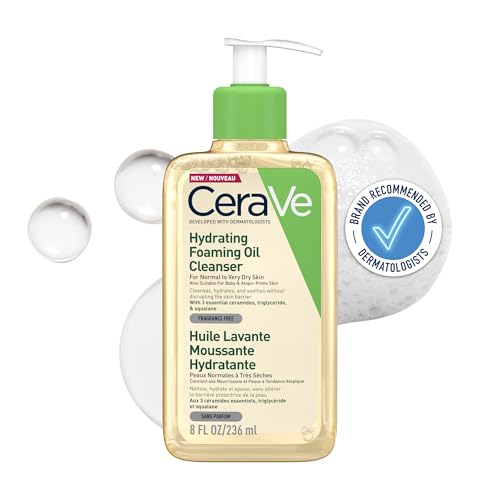
CeraVe
Hydrating Foaming Oil Cleanser
body wash · 236 ml · 33 ingredients
- No drying alcohol
- With ceramides
- With glycerin
- With hyaluronic acid

CeraVe
Intensive Moisturising Lotion
body lotion · 236 ml · 45 ingredients
- No drying alcohol
- With ceramides
- With glycerin
- With hyaluronic acid

Altruist
Moisturising Fluid 0.5% Hyaluronic Acid
body lotion · 50 ml · 23 ingredients
- No drying alcohol
- With glycerin
- With hyaluronic acid
- With shea butter
Naturium
Bio-Lipid Restoring Body Lotion
body lotion · 414 ml · 38 ingredients
- No drying alcohol
- With glycerin
- With hyaluronic acid
- With shea butter
Frequently asked questions
What is the best moisturizer ingredient for extremely dry body skin in 2026?
For very dry body skin, ceramides, urea (5–10%), petrolatum, and lactic acid are the best-evidenced active ingredients, each working through a different mechanism. Petrolatum remains the most effective single occlusive and reduces transepidermal water loss by up to 99%. Ceramides rebuild the stratum corneum's lipid matrix. Urea simultaneously replaces depleted natural moisturizing factors (NMFs), draws water into skin cells, and has a mild keratolytic effect on scaling. Clinical studies confirm that a 10% urea water-in-oil formulation significantly improves hydration within one week with sustained effects. For practical everyday use, a thick ceramide cream applied immediately post-shower is a well-tolerated, evidence-backed starting point for most people.
Why does my skin feel dry even after I moisturize?
The most common reason is application timing — if you apply moisturizer to fully dry skin rather than damp skin, the product has less surface moisture to seal in and must draw from already-depleted deeper layers. The second most common reason is using a lotion (high water, low lipid content) rather than a thick cream or ointment on very dry skin. The product may also be lacking the right barrier-active ingredients (ceramides, urea, petrolatum) if it consists mainly of water and light silicones. Additionally, if an underlying condition is driving the dryness — atopic dermatitis, hypothyroidism, psoriasis — surface moisturizing alone cannot compensate without addressing the root cause.
How often should I moisturize very dry body skin?
At minimum: once daily, immediately after every shower while skin is still damp. For very dry or cracked areas, twice daily is significantly more effective — apply again in the evening to heels, shins, hands, and any specifically dry zones. For cracked heels or severely rough elbows, a targeted application at bedtime under cotton socks or gloves provides occlusive overnight repair.
Does drinking more water fix dry skin?
Only if you are severely dehydrated — and most people in developed countries with regular water access are not. Drinking excess water beyond normal daily hydration needs does not meaningfully increase stratum corneum water content or reduce TEWL in people who are adequately hydrated. Skin dryness is primarily a barrier function problem, not a systemic hydration problem. The fix is topical: appropriate cleansers, moisturizers, and environmental humidity control are far more effective than drinking additional water.
Can diet affect dry body skin?
Yes, modestly. Dietary fat — particularly omega-3 fatty acids from oily fish (salmon, mackerel), flaxseed, and walnuts — supports the skin's lipid production and barrier integrity. Severe deficiency in essential fatty acids can contribute to dry, scaly skin. However, dietary changes alone are rarely sufficient to correct established xerosis; they work best as a complement to a consistent topical routine rather than a replacement for one.
When is dry body skin a sign of a medical condition?
Dry skin secondary to a medical condition is suggested by: dryness that persists despite a consistent optimized routine; intense nighttime itching (common in atopic dermatitis, kidney disease, and liver disease); sudden onset in an adult with no prior history (may indicate hypothyroidism); accompanying redness, scaling, or thickened plaques (psoriasis or ichthyosis); or dry skin as a documented side effect of a medication. A dermatologist can differentiate primary xerosis from secondary dry skin and direct treatment appropriately.
Sources
- 01Dry Skin: Diagnosis and Treatment — American Academy of Dermatology (AAD). AAD recommendations for dry skin treatment: choose moisturizers with urea, ceramides, lactic acid, or glycerol; apply creams or ointments more often than lotions for very dry skin; treat underlying medical conditions driving dryness; consult a dermatologist if self-care does not improve dryness within 2 weeks.
- 02Xeroderma — StatPearls — NCBI Bookshelf / NIH, 2023-05-01. Xeroderma caused by impaired stratum corneum barrier; ceramides form 40–50% of intercellular lipid matrix; NMFs (urea, lactic acid, amino acids) comprise ~10% of stratum corneum dry weight; petrolatum is most effective moisturizing ingredient (prevents TEWL); syndet cleansers less irritating than traditional soaps; lukewarm water and infrequent bathing advised; urea for scaling, licochalcone A for erythema, polidocanol for pruritus, dexpanthenol for fissures.
- 03Treatment of xerosis with a topical formulation containing glyceryl glucoside, natural moisturizing factors, and ceramide — PubMed / Journal of Cosmetic Dermatology, 2012-09-01. Ceramide-NMF formulations significantly improved skin hydration within one week; 10% urea in water-in-oil base maintained hydration benefit for six days post-discontinuation; both light and rich formulations reduced visible dryness, roughness, itching, burning, and tightness.
- 04A global perspective on the treatment and maintenance of mature skin using gentle cleansers and moisturizers — PubMed Central / NIH, 2024-11-01. Syndet cleansers with near-skin pH are significantly less irritating than alkaline soaps and preferred for dry or sensitive skin; ceramide-containing moisturizers restore intercellular lipid matrix; barrier-supporting ingredients (ceramides, glycerin, niacinamide) are evidence-backed for maintaining skin hydration.
- 05Dry Skin: Overview — American Academy of Dermatology (AAD). Dry skin develops when skin loses too much water; common causes include low humidity (indoor heating), hot showers, medical conditions (atopic dermatitis, kidney disease), medications, and age; very dry skin in older adults increases risk of skin infections; consult a dermatologist if dryness does not respond to self-care within 2 weeks or worsens.