Oily Skin: Causes, Signs & How to Treat It
The short answer
Oily skin is caused by overactive sebaceous glands producing excess sebum, driven mainly by genetics.
What Is Oily Skin?
Oily skin — technically called seborrhea or seborrheic skin — occurs when the sebaceous glands in hair follicles produce more sebum than the skin needs. Sebum is not inherently bad; it is a complex lipid mixture that waterproofs the skin, provides mild antimicrobial protection, and carries fat-soluble antioxidants to the surface. The problem arises when production exceeds what the skin requires, creating a persistent shine, enlarged-looking pores, and a tendency for congestion, blackheads, and breakouts.
A large-scale occupational health study of 48,630 employees published in Frontiers in Medicine (2021) found that approximately 6% of working adults showed clinically meaningful seborrhea — slightly more common in men (6.6%) than women (5.4%). The same study confirmed that seborrheic skin strongly predicted acne (odds ratio 3.59) and rosacea (OR 1.45), underscoring that oiliness is not merely cosmetic.
The Biology: Why Sebaceous Glands Overproduce
Sebaceous glands are embedded in the dermis alongside hair follicles. They are holocrine glands — meaning the secretory cells rupture to release their lipid payload (sebum) into the follicular canal, from which it flows to the skin surface. The composition of sebum is unique: triglycerides, wax esters, squalene, free fatty acids, and cholesterol — a blend largely absent from the products of any other gland in the body.
Androgens Are the Master Regulator
The single most important driver of sebum production is androgen hormones. Testosterone and dihydrotestosterone (DHT) bind to androgen receptors on sebocytes (the secretory cells of the sebaceous gland), increasing both the size of the glands and the rate of sebum synthesis. DHT is notably selective for facial sebaceous glands — a key reason acne and oiliness concentrate on the face rather than the legs. A 2024 PubMed review on androgen-mediated sebum production confirmed that androgen-dependent sebum excess is considered a necessary early step in acne vulgaris and an important therapeutic target.
This explains several clinically observable patterns:
- Puberty: Rising androgen levels in both sexes drive a sharp increase in sebum output. Oiliness often becomes noticeable in early adolescence and may peak in the late teens.
- Menstrual cycle: The luteal phase (post-ovulation) involves progesterone, which has weak androgenic properties; many women notice increased shininess and breakouts in the week before menstruation.
- Hormonal imbalances: Conditions involving elevated androgens — polycystic ovary syndrome (PCOS), congenital adrenal hyperplasia — often present with pronounced facial oiliness alongside acne and hirsutism.
- Menopause: Declining estrogen removes its counteracting effect on androgens. Some women experience a resurgence of oiliness and acne at perimenopause.
Genetics
Sebaceous gland density (the number of glands per square centimeter) and baseline size are largely determined by genetics. If both parents had persistently oily skin, the probability of inheriting the trait is high. There is no intervention that can permanently reduce gland density, but there are strategies that effectively manage output.
Environmental Factors
Heat and humidity both increase sebum secretion — the skin responds to a warm, moist environment by accelerating lipid production. This is why skin that is only moderately oily in winter may become significantly oilier in summer or in tropical climates.
The Barrier-Stripping Paradox
This is one of the most clinically important and most commonly misunderstood aspects of oily skin care. When harsh cleansers, alcohol-heavy toners, or excessive exfoliation strip the skin of surface lipids, the sebaceous glands respond by producing more sebum to compensate. The result is a feedback loop: the more aggressively you try to degrease the skin, the more oil it produces. Gentle, twice-daily cleansing with a non-stripping cleanser breaks this cycle.
How to Recognize Oily Skin
Oily skin has a consistent clinical picture:
| Sign | What You See |
|---|---|
| Shine | Persistent, all-over facial gloss — especially on the forehead, nose, and chin (T-zone) — present a few hours after cleansing |
| Enlarged pores | Pores appear visibly larger, particularly around the nose; they fill with sebum and dead cells, creating sebaceous filaments |
| Blackheads and whiteheads | Excess sebum mixes with dead keratinocytes inside follicles, producing open comedones (blackheads) and closed comedones (whiteheads) |
| Acne breakouts | Sebum-clogged follicles are an ideal environment for Cutibacterium acnes (formerly P. acnes) to proliferate, triggering inflammatory acne |
| Makeup wear | Foundations and concealers break down, migrate into fine lines, and lose opacity within hours |
| Texture | Skin feels thick or coarser than normal, particularly on the nose and forehead |
Oily skin differs from combination skin, which exhibits oiliness primarily in the T-zone with normal or dry cheeks. If only certain areas are oily, you likely have combination skin — and the routine recommendations differ somewhat.
What Worsens Oily Skin?
Several modifiable and non-modifiable factors amplify sebum production beyond baseline:
- Over-cleansing or harsh surfactants — stripping the barrier triggers compensatory sebum production.
- Heavy, occlusive skincare products — thick creams with shea butter, coconut oil, or mineral oil clog follicles and create a film that traps existing sebum at the surface.
- High-glycaemic diet — there is growing evidence that high glycaemic index foods increase insulin-like growth factor-1 (IGF-1), which stimulates sebocyte proliferation and sebum synthesis. The evidence is not strong enough to make categorical dietary prescriptions, but reducing refined carbohydrate intake is a low-risk adjunct for acne-prone oily skin.
- Stress — elevated cortisol stimulates corticotropin-releasing hormone (CRH) receptors on sebocytes, increasing sebum output. Chronic stress reliably worsens oiliness.
- Humidity and heat — warm temperatures lower the viscosity of sebum and increase secretion rate.
- Skipping moisturizer — a common but counterproductive habit that disrupts the barrier and can trigger compensatory oiliness.
How to Treat and Manage Oily Skin
1. Cleanse Twice Daily (No More)
The AAD recommends cleansing twice daily and after heavy sweating. Use a gentle, low-pH foaming or gel cleanser — one without sulfate-based surfactants, which are too stripping. Look for a cleanser that removes excess oil without leaving skin tight or squeaky. Cleansing more than twice daily is counterproductive.
2. Choose a Lightweight, Non-Comedogenic Moisturizer
Oily skin needs hydration. A compromised barrier increases transepidermal water loss and triggers more sebum. The key is texture: gel moisturizers or lightweight lotions containing humectants (glycerin, hyaluronic acid) hydrate without adding oil. Look for labels reading "oil-free," "non-comedogenic," and "non-acnegenic."
Ingredients well-suited to oily skin moisturizers:
- Glycerin — draws water into the skin without occlusion.
- Hyaluronic acid (HA) — a potent humectant (can hold up to 1,000× its weight in water); excellent for oily skin in gel formulations.
- Niacinamide — simultaneously hydrates, strengthens barrier, and reduces sebum excretion rate.
- Dimethicone — a silicone-based emollient that provides a non-greasy, non-comedogenic skin feel; hypoallergenic and suitable for acne-prone skin per PMC evidence.
Ingredients to avoid: coconut oil, cocoa butter, shea butter, isopropyl myristate, lanolin, and heavy waxes — all potentially comedogenic.
3. Use Targeted Actives
Salicylic acid (BHA): The most evidence-supported active for managing oily, congested skin. Because salicylic acid is oil-soluble (unlike AHAs), it can penetrate the lipid environment of the sebaceous follicle, dislodge the keratinous plugs that form blackheads and whiteheads, and reduce sebum secretion. A prospective 21-day clinical study published in PubMed (2025) found that a salicylic acid gel reduced sebum levels by 23.65% and improved skin hydration by 40.5%.
Niacinamide (2–5%): Multiple clinical trials — including two separate double-blind placebo-controlled studies in Japanese and Caucasian subjects — have demonstrated that 2% topical niacinamide reduces sebum excretion rate. An in vitro study using viable human facial biopsies also confirmed a dose-dependent reduction in sebaceous lipid output. Niacinamide additionally strengthens the barrier and reduces redness, making it well-suited to oily, acne-prone skin.
Retinol: Normalizes follicular keratinization — the process that allows dead skin cells to accumulate inside pores — reducing the microcomedones that precede all acne lesions. An excellent adjunct for oily and acne-prone skin when tolerated.
4. Apply Sunscreen Every Morning
Oily skin often skips sunscreen because of the dreaded greasy film. The right formulation eliminates this problem: gel-textured, water-based, or spray sunscreens with SPF 30+ provide full photoprotection without adding shine. The AAD recommends SPF 30+ daily for all skin types. Look for "oil-free" and "non-comedogenic" on the label; mineral options with zinc oxide have added anti-inflammatory benefits for acne-prone skin.
5. Periodic Clay or Charcoal Masks
Clay masks (kaolin, bentonite) absorb surface sebum and reduce the shiny appearance transiently. They are not curative — they do not alter sebaceous gland activity — but they are useful on days when oiliness is particularly pronounced. Limit to once or twice per week; daily clay masking will strip the barrier.
6. Blotting Papers
An underrated tool. Pressing a blotting paper against the skin mechanically absorbs surface sebum without disturbing makeup or disrupting barrier integrity. Use them freely during the day — there is no "too much" with blotting papers the way there is with over-cleansing.
Ingredients to Avoid
| Ingredient | Why to Avoid |
|---|---|
| Coconut oil | High comedogenicity; blocks follicle openings |
| Isopropyl myristate | Well-documented comedogen in human studies |
| Lanolin | Heavy, occlusive; can cause allergic reactions in sensitive skin |
| Denatured alcohol (SD alcohol) | Short-term degrease but triggers compensatory sebum rebound |
| Heavy silicones (cyclomethicone in thick formulas) | Can trap debris in pores in heavy formulations |
| Fragrances | Sensitizers; no comedogenicity benefit |
When to See a Dermatologist
Oily skin is usually manageable with good skincare habits. However, consult a board-certified dermatologist if:
- You have persistent inflammatory acne (red papules, pustules, nodules) that does not clear with consistent OTC salicylic acid or benzoyl peroxide use after 8–12 weeks.
- You suspect a hormonal cause — particularly if oiliness is accompanied by irregular periods, hirsutism, or hair thinning (which may indicate PCOS or adrenal dysfunction).
- Prescription-strength options — topical retinoids, oral spironolactone, oral contraceptives, or isotretinoin in severe cases — may be more effective than OTC management.
- You develop seborrheic dermatitis: a related but distinct condition characterized by scaly, inflamed patches in sebum-rich areas (scalp, sides of nose, eyebrows, chest) caused by Malassezia yeast.
The Bottom Line
Oily skin is a legitimate skin type driven by sebaceous biology, not poor hygiene or insufficient cleansing. The winning strategy is the opposite of what oily skin instinct suggests: gentle, consistent care that respects the skin barrier while targeting excess sebum with clinically proven actives. Harsh products, over-cleansing, and heavy occlusive ingredients all make matters worse. A twice-daily gentle cleanser, a lightweight non-comedogenic moisturizer, targeted actives (salicylic acid and/or niacinamide), and daily SPF form a routine with strong clinical backing and a high quality-of-life return.
Products that fit: oily skin
Picked by code from each product's full ingredient list.

Aussie
Reconstructor Hair Oil
hair oil · 100 ml · 12 ingredients
- No essential oils

Pantene
Pro-V Repair & Protect Keratin Protect Hair Oil
hair oil · 100 ml · 13 ingredients
- No essential oils
- With panthenol
- With vitamin e

Pantene
Pro-V Smooth & Sleek Argan
hair oil · 100 ml · 14 ingredients
- No essential oils
- With panthenol
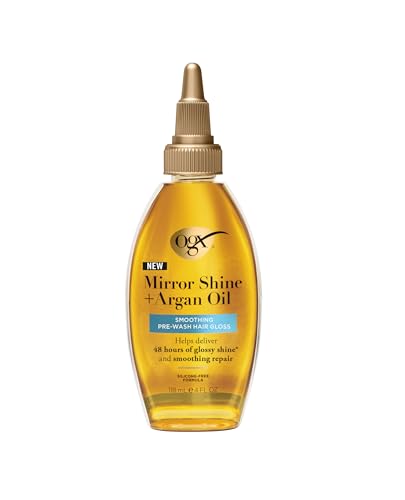
OGX
Mirror Shine + Argan Oil Pre-Wash Hair Gloss
hair oil · 118 ml · 8 ingredients
- No essential oils
Frequently asked questions
Is oily skin genetic, and is there any way to permanently reduce it?
Sebaceous gland density and size — the underlying determinants of how much sebum your skin produces — are largely inherited. If your parents had persistently oily skin, you are statistically likely to as well. There is no topical treatment that permanently reduces the number or size of sebaceous glands. Isotretinoin (oral, prescription-only) causes a prolonged reduction in sebaceous gland activity, but is reserved for severe acne. For most people, oily skin is best managed — not cured — with a consistent, appropriate routine.
Does oily skin age better than dry skin?
There is a widely held belief that oily skin ages more slowly, and there is a biological basis for it: sebum provides a naturally occlusive layer that reduces transepidermal water loss, and the higher moisture content of oily skin keeps the stratum corneum more supple. Fine lines and tightness often appear later in oily skin types compared to dry. However, oily skin has its own aging concerns — notably larger pores that become more visible with age as elastin weakens — and is not immune to UV photodamage, which is the primary driver of visible aging regardless of skin type.
Why is my skin oily even after I wash it?
Sebaceous glands are continuously producing sebum — cleansing removes the surface accumulation but does not pause the glands. Depending on how active your glands are, the skin can feel oily again within one to two hours of washing. If oiliness returns within 30 minutes of a gentle cleanse, you likely have a high sebum excretion rate by genetics. If you are re-oiling faster than normal, also check whether your cleanser is over-stripping the skin (a tight, squeaky feeling after washing) — barrier disruption triggers a compensatory sebum surge.
Should people with oily skin use a toner?
A toner is optional but can be useful. Alcohol-based toners should be avoided entirely — they strip the barrier and trigger rebound oiliness. Alcohol-free toners containing niacinamide, glycolic acid, salicylic acid, or witch hazel (without alcohol) can help sweep away residual cleanser, deliver actives, and temporarily mattify the skin. Do not use a toner as a substitute for cleansing, and do not use any toner more than twice daily.
Is it true that oily skin doesn't need moisturizer?
No — this is one of the most persistent and harmful myths in skincare. Every skin type, including oily skin, benefits from moisturizer. The skin's moisture content and its oil content are independent variables: hydration refers to water in the skin layers; oiliness refers to sebum on the surface. Skipping moisturizer does not reduce sebum — it disrupts the skin barrier, which can paradoxically increase oil production. The solution is choosing the right moisturizer: lightweight gels with glycerin or hyaluronic acid hydrate without adding grease.
Can diet affect how oily my skin is?
The evidence is suggestive but not yet conclusive enough for categorical dietary prescriptions. High glycaemic index foods (refined sugars, white bread, processed carbohydrates) increase circulating insulin and IGF-1, which stimulate sebocyte activity. Several observational studies link high-GI diets to increased acne severity in oily-skinned individuals. Dairy — particularly skim milk — has also been associated with acne risk in some studies, possibly due to hormonal content. A low-GI diet is a low-risk adjunct, but it is unlikely to normalize sebum production on its own in those with a strong genetic predisposition.
Sources
- 01Prevalence and Associated Diseases of Seborrheic Skin in Adults — PubMed Central / Frontiers in Medicine, 2021-09-01. Approximately 6% of working adults have seborrheic skin (6.6% men, 5.4% women); seborrheic skin strongly predicted acne (OR 3.59) and rosacea (OR 1.45).
- 02Sebaceous-immunobiology is orchestrated by sebum lipids — PubMed Central / Frontiers in Immunology, 2018-02-21. Sebum is the product of holocrine sebaceous gland secretion; overproduction leads to oily skin, clogged pores, and promotes C. acnes colonization and inflammation.
- 03The cutaneous effects of androgens and androgen-mediated sebum production and their pathophysiologic and therapeutic importance in acne vulgaris — PubMed / Journal of the American Academy of Dermatology, 2024-01-01. Androgens (testosterone, DHT) are the primary drivers of sebum production; androgen-mediated sebum excess is a necessary early step in acne pathophysiology; DHT is selective for facial sebocytes.
- 04How to control oily skin — AAD Patient Education — American Academy of Dermatology (aad.org). AAD recommends cleansing twice daily, using oil-free/non-comedogenic products, avoiding heavy oils, and choosing sunscreens with zinc oxide or titanium dioxide for acne-prone oily skin.
- 05Salicylic acid as a peeling agent: a comprehensive review — PubMed Central / Clinical, Cosmetic and Investigational Dermatology, 2015-08-26. Salicylic acid's oil-solubility gives it comedolytic and keratolytic properties; it penetrates sebaceous follicles and reduces sebum in acne patients; well-documented safety across Fitzpatrick skin types I–VI.
- 06Clinical Efficacy of a Salicylic Acid-Containing Gel on Acne Management and Skin Barrier Function: A 21-Day Prospective Study — PubMed / Dermatology and Therapy, 2025-01-01. Salicylic acid gel reduced sebum levels by 23.65% and improved skin hydration by 40.5% over 21 days in participants with oily or combination skin.
- 07Mechanistic Insights into the Multiple Functions of Niacinamide: Therapeutic Implications and Cosmeceutical Applications — PubMed Central / Nutrients (MDPI), 2024-04-01. Clinical preparations with 2–5% niacinamide effectively reduce sebum production; niacinamide also addresses hyperpigmentation, acne, and barrier function.
- 08The effect of 2% niacinamide on facial sebum production — PubMed / Journal of Cosmetic and Laser Therapy, 2006-01-01. Double-blind, placebo-controlled studies in Japanese (n=100) and Caucasian (n=30) subjects found 2% niacinamide significantly reduced sebum excretion rate after 4–6 weeks of use.
- 09Moisturizers for Acne: What are their Constituents? — PubMed Central / Journal of Clinical and Aesthetic Dermatology, 2014-05-01. Dimethicone is non-comedogenic, non-acnegenic, and hypoallergenic — suitable for oily and acne-prone skin; coconut oil, mineral oil, and lanolin are potentially comedogenic.