Snail Mucin in Skincare: What the Science Actually Says
The short answer
Snail mucin hydrates, supports wound healing, and delivers allantoin and glycosaminoglycans.
What Is Snail Mucin?
Snail mucin — marketed as snail secretion filtrate (SSF) in ingredient lists — is the mucus produced by snails, most commonly the garden snail Helix aspersa or the giant African land snail Achatina fulica. In its natural role, the mucus protects the snail's foot from abrasion, UV exposure, and microbial infection, and helps repair its own shell and skin tissue.
In skincare, filtered and purified versions of this secretion have been used for decades in Korean beauty formulations and have since entered the global mainstream. The INCI name is typically Snail Secretion Filtrate.
Composition: What's Actually in Snail Mucin?
A 2025 review in the Journal of Cosmetic Dermatology characterizes snail mucin as approximately 90–99.7% water, with the remaining active fraction comprising:
| Component | Role in Skin |
|---|---|
| Allantoin | Keratolytic, wound healing, cell proliferation |
| Glycolic acid | Chemical exfoliant, accelerates cell turnover |
| Glycosaminoglycans (GAGs) | Humectant, matrix support |
| Hyaluronic acid | Deep hydration, plumping |
| Antimicrobial proteins (mucins) | Antibacterial against S. aureus, P. aeruginosa |
| Polyphenols | Antioxidant, free radical scavenging |
| Copper peptides (trace) | Collagen and elastin synthesis support |
The concentration of each component varies significantly depending on the snail species, diet, harvesting conditions, and processing method — a major reason why different products can perform quite differently despite sharing the same core ingredient.
How Snail Mucin Works: The Mechanisms
Hydration
The GAG and hyaluronic acid content make snail mucin a genuine humectant — it draws water into the stratum corneum and reduces TEWL. A 2024 review published in Biomolecules and Biomedicine documented clinical studies showing measurable improvements in skin hydration, roughness, and elasticity following consistent use of snail mucin formulations.
Wound Healing and Regeneration
Allantoin, one of the most studied components, accelerates keratinocyte migration — the process by which new skin cells move to close a wound. It also stimulates fibroblast proliferation and collagen synthesis. The 2025 Journal of Cosmetic Dermatology review notes that snail secretion promotes fibroblast activity and protects against free radical damage in wound models.
A 2021 study in Frontiers in Bioengineering and Biotechnology found that Achatina fulica mucin showed clinically documented antimicrobial potency in wound care settings, with anti-bacterial activity against both Gram-positive and Gram-negative organisms.
Anti-Aging
The glycolic acid in snail mucin acts as a mild chemical exfoliant, increasing cell turnover and improving surface texture. Combined with the pro-collagen effects of allantoin and copper peptides, this produces a modest anti-aging action — smoother texture, reduced minor surface lines, and improved radiance. The clinical effect on deeper wrinkles is less substantiated.
Acne and Inflammation
Snail mucin's antimicrobial proteins exhibit activity against Cutibacterium acnes and Staphylococcus aureus, the bacteria most implicated in acne. Additionally, copper peptides and allantoin have anti-inflammatory properties that may reduce post-inflammatory redness. However, human clinical trials specifically targeting acne vulgaris with snail mucin are sparse.
The Evidence: What Clinical Data Actually Shows
The evidence base for snail mucin is growing but remains at a moderate-to-limited level compared with ingredients like retinol or niacinamide:
| Evidence Area | Quality | Notes |
|---|---|---|
| Hydration (TEWL, skin roughness) | Moderate | Multiple small human trials |
| Wound healing (clinical settings) | Moderate | Used in licensed wound dressings; human data |
| Acne reduction | Limited | Mostly in vitro antimicrobial data |
| Fine lines / wrinkles | Limited | Small trials, short durations |
| Scar improvement | Limited | Case reports and preclinical data |
| Anti-cancer / neuroprotection | Preliminary | In vitro only; not relevant to cosmetics |
A systematic review published in the Journal of Integrative Dermatology found that "several human clinical trials using snail-based products demonstrate promising results with skin improvement on various parameters" — while also noting the need for larger, independently funded RCTs.
The key caveat: many existing trials are small (20–60 participants), of short duration (4–8 weeks), industry-funded, and use proprietary formulations that are difficult to compare across studies. The ingredient deserves cautious optimism, not uncritical enthusiasm.
Who Should Use Snail Mucin?
Snail mucin is a low-risk, broadly well-tolerated ingredient that suits most skin types:
- Dry or dehydrated skin — the GAG/hyaluronic acid content makes it an excellent humectant layer
- Post-procedure or sensitized skin — allantoin's wound-healing and anti-inflammatory properties are particularly useful after extractions, mild chemical peels, or barrier disruption
- Acne-prone skin — the antimicrobial and anti-inflammatory properties may support healing of active lesions and reduce post-inflammatory marks
- Aging skin — realistic expectations: improvements in texture and surface lines; not a replacement for retinol or peptides on deep structural changes
Who might want to avoid it: Anyone with a snail or shellfish allergy should patch-test carefully. True snail mucin allergy is rare but documented.
How to Use Snail Mucin
Snail mucin works best as a hydration and recovery layer, typically applied after water-based serums and before heavier creams or oils:
- Cleanse and optionally tone.
- Apply any targeted actives (vitamin C, niacinamide, AHA/BHA) first.
- Apply snail mucin as a watery essence or serum layer — press gently into skin.
- Seal with moisturizer.
It can be used morning and evening — unlike retinol, it has no photosensitivity concerns. For post-procedure recovery, it can be layered generously over irritated areas.
Pairing tip: Snail mucin pairs well with niacinamide (both support barrier function), hyaluronic acid (amplified hydration), and centella asiatica (complementary soothing and regenerative effects). Avoid applying simultaneously with high-concentration AHAs — the glycolic acid already present in mucin provides mild exfoliation.
Snail Welfare and Sustainability
Reputable snail mucin manufacturers collect mucus without harming the snails — stimulation methods include humidity changes, gentle vibration, or mesh surfaces. Cruelty-free and vegan certifications are not applicable to snail-derived ingredients (snails are animals), but welfare standards vary. Consumers concerned about this can look for brands that specify their harvesting protocols.
Realistic Expectations
Snail mucin is a genuinely useful skincare ingredient — particularly for hydration, barrier support, and post-procedure recovery. The evidence base is thinner than marketing language often implies: it is not a proven substitute for retinoids in anti-aging, not a standalone acne treatment, and not a scar-removal agent. Used as a supportive hydrating and soothing layer, it earns its place in a well-rounded routine.
Products that fit this guide
Picked by code from each product's full ingredient list.

Sally Hansen
Sally Hans Sally Hansen Complete Care 7-in-1 Nail Treatment Strengthener Clear
nail treatment · 13.3 ml · 33 ingredients
- Fragrance-free
- No essential oils
- With glycerin
- With retinoids
- With vitamin c
Catrice
Aura Glam Nail Polish
nail polish · 10.5 ml · 22 ingredients
- Fragrance-free
- No essential oils
- With titanium dioxide
Catrice
Base & Top Coat Allround 2-in-1
nail polish · 10.5 ml · 10 ingredients
- Fragrance-free
- No essential oils
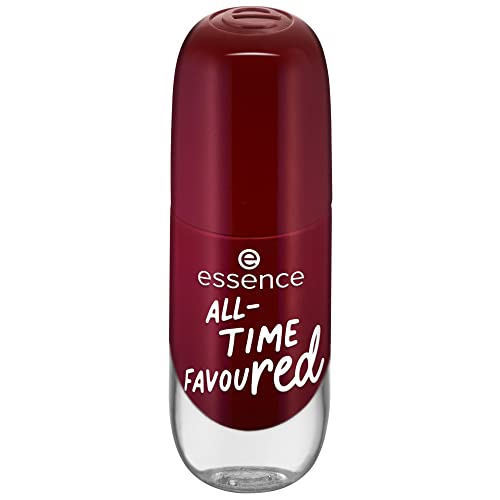
Essence
Gel Nail Colour
nail polish · 8 ml · 9 ingredients
- Fragrance-free
- No essential oils
Frequently asked questions
Is snail mucin still worth using in 2026?
Yes, with realistic expectations. The evidence for hydration, barrier support, and wound-healing acceleration is well-grounded mechanistically and supported by clinical studies, though most trials are small and short. For dry, sensitized, or post-procedure skin it is a low-risk, high-compatibility choice. It is not a proven replacement for retinoids or prescription treatments in anti-aging or acne management.
Can snail mucin help with acne scars?
Snail mucin contains allantoin and copper peptides that support collagen synthesis and accelerate wound healing, which may modestly improve the appearance of shallow post-inflammatory marks over time. There are no large clinical trials specifically on snail mucin and atrophic acne scars. For textural scars, combination with retinol, chemical exfoliants, or professional procedures produces more documented results.
Is snail mucin comedogenic?
Snail mucin is generally considered non-comedogenic. Despite containing GAGs and proteins, its water-dominant composition and lightweight texture mean it does not typically clog pores. Acne-prone users report good tolerance in most cases. Formulation matters — a snail mucin product in a heavy occlusive base could be more problematic than the snail mucin itself.
How does snail mucin compare to hyaluronic acid for hydration?
Hyaluronic acid is a more potent and well-studied humectant. Snail mucin provides hydration through its own GAG and hyaluronic acid content, but additionally delivers allantoin, antimicrobial proteins, and mild exfoliant activity — making it a multi-functional ingredient rather than a simple hydrator. For pure moisture delivery, hyaluronic acid is the gold standard; snail mucin adds functional complexity alongside its hydration.
Can I use snail mucin with retinol?
Yes — snail mucin is one of the better companion ingredients for retinol use. Applied after retinol (or in a sandwich method), the allantoin and GAG content helps buffer retinol-related dryness, supports barrier recovery, and delivers hydration without interfering with retinol's mechanism. This is a particularly helpful pairing during the retinization phase.
Sources
- 01Hidden benefits of snail mucus: A natural skincare marvel — Biomolecules and Biomedicine, 2024-08-13. Snail mucus contains allantoin, glycolic acid, proteins, glycosaminoglycans, and polyphenols; improves skin hydration, flexibility, and smoothness; promotes wound healing, skin regeneration, and has antimicrobial and anti-inflammatory properties.
- 02From Nature to Nurture: The Science and Applications of Snail Slime in Health and Beauty — Journal of Cosmetic Dermatology, 2025-02-19. Snail mucus is 90–99.7% water with active components including hyaluronic acid, glycolic acid, allantoin, and antimicrobial proteins; promotes fibroblast proliferation and collagen production; rigorous clinical studies remain limited.
- 03Advancing Discovery of Snail Mucins Function and Application — Frontiers in Bioengineering and Biotechnology, 2021-10-11. Achatina fulica snail mucin demonstrates antimicrobial activity against S. aureus and P. aeruginosa; promotes wound healing through antioxidant and free radical regulation; evidence is primarily preclinical.