Niacinamide: What It Does for Every Skin Concern
The short answer
Niacinamide is vitamin B3 — a well-tolerated multi-tasker backed by solid clinical evidence.
What Is Niacinamide?
Niacinamide — also called nicotinamide — is the amide form of vitamin B3. It is water-soluble, stable across a wide pH range, and well-absorbed through the stratum corneum. Inside cells, it feeds into the synthesis of NAD⁺ coenzymes, which power cellular energy metabolism and DNA repair. Topically, that metabolic role translates into several measurable effects on the skin's structure and function.
It is not the same as niacin (nicotinic acid), which is the form of B3 that causes the characteristic face flush. Niacinamide does not trigger that response at normal cosmetic concentrations.
What the Evidence Actually Shows
Skin Barrier and Ceramide Synthesis — Strong Evidence
This is niacinamide's most consistently proven benefit. Controlled studies show it upregulates ceramide synthesis in keratinocytes, as well as free fatty acids, cholesterol, involucrin, and filaggrin — all structural components of the stratum corneum. The result is measurably reduced transepidermal water loss (TEWL) and improved hydration.
A study in patients with mild-to-moderate atopic dermatitis found that topical niacinamide significantly improved skin hydration and reduced TEWL and itch over four weeks. DermNet reports that moisturizers containing niacinamide consistently improve barrier function in rosacea patients by the same mechanism. For anyone with a compromised barrier — dry skin, eczema-prone skin, post-procedure skin — the ceramide-boosting effect is the most evidence-supported reason to reach for it.
Sebum Regulation — Good Evidence
A double-blind study found that 2% topical niacinamide applied for four to six weeks reduced sebum excretion rate and perceived facial oiliness significantly versus vehicle. The effect appears within weeks and without the dryness or irritation associated with retinoids or exfoliants. For oily and acne-prone skin, this makes niacinamide a practical first-line topical for sebum management.
Clinical trials also compared 4–5% niacinamide gel to topical antibiotics in acne vulgaris: 4% niacinamide performed comparably to 1% clindamycin gel. The mechanism involves both sebum reduction and anti-inflammatory activity — niacinamide suppresses IL-8 secretion by keratinocytes in response to C. acnes, reduces mast cell degranulation, and lowers UVB-induced prostaglandin E2 production.
Hyperpigmentation — Moderate Evidence
Niacinamide does not inhibit melanin production directly. Its mechanism is different: it suppresses the transfer of melanosomes from melanocytes to surrounding keratinocytes. Melanin is still made, but less of it reaches the surface cells that form visible skin tone. This distinction matters — it makes niacinamide safer for long-term use than inhibitors that interfere with melanocyte function (such as hydroquinone), and it means the effect reverses slowly once you stop using it.
Clinical trials in Japanese and Caucasian subjects using 5% niacinamide twice daily showed significant reductions in hyperpigmented spots after four weeks, confirmed by histological analysis of reduced melanosome density in keratinocytes. A head-to-head study found 4% niacinamide comparable in efficacy to 4% hydroquinone. Lower concentrations (2–3%) show meaningful effects in skin-of-color studies — useful context for darker skin types where excess irritation from higher-dose treatments can itself trigger post-inflammatory hyperpigmentation.
The caveat: most hyperpigmentation trials are relatively short (four to twelve weeks) and include modest sample sizes. Niacinamide is effective, but it is gradual — expect weeks to months, not days.
Fine Lines and Skin Aging — Moderate Evidence
A double-blind, split-face randomized controlled trial (N=50, twelve weeks) found that 5% niacinamide applied twice daily reduced fine lines and wrinkles, hyperpigmented spots, red blotchiness, and skin yellowing, and improved elasticity measured by cutometry. The results were statistically significant versus vehicle.
A broader 2021 review in Antioxidants (PMC8389214) corroborates these findings mechanistically: niacinamide's role in restoring the cellular NAD⁺ pool attenuates oxidative stress and supports extracellular matrix maintenance. However, the same review is honest about the limits: "there is no convincing evidence that nicotinamide has specific molecular targets for controlling skin aging." The anti-aging benefits are real but probably indirect — downstream consequences of improved barrier function, reduced oxidative stress, and lower-grade chronic inflammation, rather than a direct collagen-synthesis pathway. Manage expectations accordingly.
Effective Concentrations
The published evidence clusters around 2–5%. Most head-to-head studies and the landmark aging trial used 5%. Sebum studies showed meaningful results at 2%.
Products marketed at 10% are common, but the clinical evidence for superiority over 5% is thin. Some individuals — particularly those with sensitive or rosacea-prone skin — experience flushing or mild redness at 10%, likely because trace conversion of niacinamide to niacin becomes more significant at higher doses. This is rare but documented. Higher is not automatically better here.
If you are new to niacinamide or have reactive skin, start at 2–5% and assess tolerance before stepping up.
Who It Suits (Almost Everyone)
Niacinamide is one of the most universally tolerated cosmeceutical actives. DermNet notes it "is well tolerated and often can be used by those who cannot tolerate topical retinoids or fruit acids." It requires no adjustment period, works at any step in a routine, and is suitable for:
- Oily and acne-prone skin — sebum reduction, anti-inflammatory effect, non-comedogenic
- Dry and sensitive skin — barrier support without irritation
- Hyperpigmented skin and skin of color — effective at lower doses, no bleaching-agent risks
- Aging skin — modest anti-aging evidence, tolerability advantage over retinoids for some
The only individuals who should use caution are those who have previously reacted to niacinamide at higher concentrations, or who take medications that interact with B3 metabolism systemically (a consideration for oral B3, less relevant topically).
How to Use It and Where It Fits
Apply after cleansing and toning, before heavier oils or moisturizers. Niacinamide is water-soluble, so it layers well under oil-based products. It works morning or evening, or both — there is no photosensitivity concern.
Layering with vitamin C: Use vitamin C first, let it absorb briefly, then follow with niacinamide. There is no meaningful chemical conflict (see below).
Layering with retinol: Niacinamide can be applied before retinol in the same evening routine, or mixed in the same step. Its barrier-reinforcing effect helps buffer retinol-induced dryness and peeling during the adjustment period — a genuinely synergistic pairing, not a compromise.
With exfoliating acids: Apply acids first, allow them to work, then follow with niacinamide. This order prevents niacinamide from interfering with the pH-dependent activity of AHAs/BHAs.
The Vitamin C Myth — Settled
The claim that niacinamide and vitamin C "cancel each other out" or cause skin flushing when combined is based on 1960s laboratory research conducted on raw, unbuffered ingredients at extreme temperatures. Under those conditions, niacinamide can hydrolyze into niacin, which causes flushing.
Modern cosmetic formulations operate at pH 5–7 and room temperature. The conversion rate under these conditions is negligible. A 2004 study in the Journal of Cosmetic Dermatology found no significant degradation of either ingredient when combined in topical solutions at typical skincare pH. Stable forms of vitamin C (ascorbyl glucoside, magnesium ascorbyl phosphate) are also inherently less reactive. Multiple cosmetic chemists and formulators have confirmed the two ingredients are compatible. Some research suggests the combination enhances brightening outcomes versus either ingredient alone.
The myth persists partly because it sounds plausible enough to seem scientific, and partly because it was commercially convenient to recommend separate routines. You can use both in the same routine without concern.
Products with niacinamide
Picked by code from each product's full ingredient list.

CeraVe
Double Sa Smoothing Cleanser
cleanser · 473 ml · 23 ingredients
- Fragrance-free
- No essential oils
- With ceramides
- With niacinamide
- With hyaluronic acid

CeraVe
Foaming Cleanser with Niacinamide for Normal to
cleanser · 474 ml · 25 ingredients
- Fragrance-free
- No essential oils
- With ceramides
- With niacinamide
- With hyaluronic acid

La Roche-Posay
Toleriane Purifying Foaming Gel
cleanser · 12 g · 24 ingredients
- Fragrance-free
- No essential oils
- With ceramides
- With niacinamide
- With glycerin
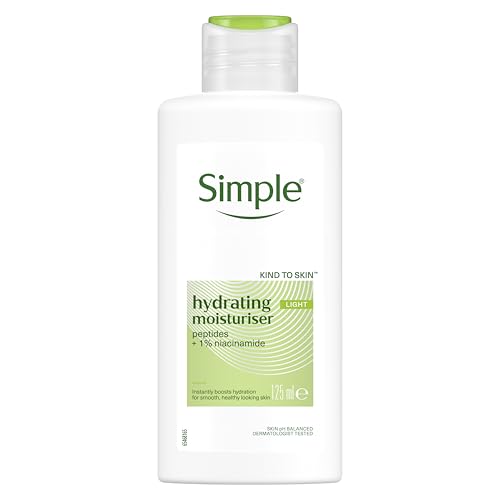
Simple
Hydrating Light Moisturiser
moisturizer · 125 ml · 30 ingredients
- Fragrance-free
- No essential oils
- With niacinamide
- With glycerin
- With lactic acid
Frequently asked questions
Is niacinamide still effective in 2026, or is it overhyped?
The clinical evidence is still solid — and has only grown. Niacinamide's efficacy for barrier repair, sebum control, and hyperpigmentation is backed by randomized controlled trials, not just marketing. The nuance is that it's a gradual ingredient: measurable improvements in pigmentation and fine lines take weeks to months. It isn't overhyped for what it genuinely does; it's sometimes oversold as a fast-acting miracle. Used consistently at 2–5%, it delivers real, reproducible results.
Can I use niacinamide with vitamin C?
Yes — the incompatibility claim is a debunked myth. It originated from 1960s lab conditions (extreme heat, unbuffered solutions) that bear no resemblance to a skincare routine. At the pH and temperature of modern formulations, niacinamide does not meaningfully convert to niacin, and no significant ingredient degradation occurs when the two are combined. Apply vitamin C first, let it absorb for a minute, then apply niacinamide. Some evidence suggests the combination may enhance brightening outcomes.
Can I use niacinamide with retinol?
Yes, and dermatologists routinely recommend this pairing. Niacinamide's ceramide-boosting, barrier-reinforcing effect directly buffers the dryness and irritation that retinol causes during the initial adjustment weeks. They can be layered in the same evening routine (niacinamide first, then retinol) or used in a single formula. The combination doesn't reduce retinol's efficacy.
What concentration of niacinamide should I use?
2–5% is the evidence-supported range. The landmark anti-aging and pigmentation trials used 5%. Sebum-reduction studies showed clear effects at 2%. Products at 10% are widely available but lack clear evidence of superiority over 5%, and a small subset of users report flushing or redness at higher doses — a mild but real side effect from trace niacin conversion. Start at 5% if you're after anti-aging or brightening benefits; 2–3% is sufficient for barrier support and sebum control.
How long does niacinamide take to work?
Sebum reduction and barrier improvement can begin within two to four weeks of consistent use. Visible improvement in hyperpigmentation typically takes four to twelve weeks. Anti-aging effects (fine lines, elasticity) take the full twelve weeks observed in clinical trials and depend on continued use. Stopping reverses pigment-related gains gradually, because the melanosome-transfer suppression effect is not permanent.
Does niacinamide work on acne?
Yes, with real clinical evidence. A 4% niacinamide gel performed comparably to 1% clindamycin in treating moderate acne vulgaris. The mechanism is dual: reduced sebum production combined with anti-inflammatory activity (suppressing IL-8 and other cytokines triggered by C. acnes). It won't replace prescription treatments for severe acne, but for mild to moderate acne — particularly in combination with other actives — it's a well-supported non-antibiotic option.
Sources
- 01Mechanistic Basis and Clinical Evidence for the Applications of Nicotinamide (Niacinamide) to Control Skin Aging and Pigmentation — Antioxidants (MDPI) / PubMed Central, 2021-08-21. Niacinamide inhibits melanosome transfer, upregulates ceramide synthesis, and reduces oxidative stress; effective concentrations 4–5%; caveats on molecular targets.
- 02Niacinamide: A B vitamin that improves aging facial skin appearance — Dermatologic Surgery / PubMed, 2005-07-01. Double-blind split-face RCT (N=50, 12 weeks): 5% niacinamide reduced fine lines, hyperpigmented spots, red blotchiness, skin yellowing, and improved elasticity vs vehicle.
- 03Nicotinamide — DermNet — DermNet NZ, 2023-01-01. 2% niacinamide reduces sebum over 4–6 weeks; 4% gel comparable to 1% clindamycin for acne; well tolerated by those who cannot tolerate retinoids or fruit acids.
- 04Niacinamide: A Multi-functional Cosmeceutical Ingredient — Practical Dermatology, 2023-01-01. 2% topical niacinamide (Draelos study) significantly reduced sebum excretion rate and pore size; anti-inflammatory mechanism via IL-8 suppression and mast cell inhibition.
- 05Clinical Evaluation of Niacinamide in Hyperpigmentation and Barrier Repair — Hilaris Publisher / Open Access, 2023-01-01. 4% niacinamide comparable to 4% hydroquinone for hyperpigmentation; lower doses (2–3%) effective in skin of color while minimizing irritation.