L-Ascorbic Acid vs. Other Vitamin C Forms: Which Wins?
The short answer
L-ascorbic acid is the most potent vitamin C form but requires pH ≤3.5 and careful.
Why Vitamin C Comes in So Many Forms
L-ascorbic acid (LAA) — the molecule your body uses for collagen synthesis and antioxidant defense — is chemically brilliant and formulaically difficult. It is a reducing agent by nature, which is exactly what makes it a powerful antioxidant and exactly what makes it unstable in cosmetic formulas. Water, oxygen, light, heat, and metal ions all accelerate its degradation, and at the pH levels optimal for skin (around 5–6), it oxidizes within weeks.
The cosmetic chemistry response was to develop derivatives: molecules built from the LAA scaffold with chemical modifications that block the oxidation-prone hydroxyl groups. The trade-off is consistent — derivatives are more stable but require enzymatic hydrolysis inside the skin to release free LAA, adding a conversion step that reduces peak active concentrations.
Understanding the trade-offs lets you choose the right form for your skin concern, your tolerance, and the reality of how you store your products.
L-Ascorbic Acid (LAA): The Gold Standard
Why It Is the Benchmark
LAA is the only form that does not require conversion. It acts directly on fibroblasts to stimulate procollagen I and III gene transcription, serves as a cofactor for prolyl and lysyl hydroxylase enzymes (critical for collagen cross-linking and structural stability), inhibits tyrosinase (the enzyme that produces melanin), and scavenges reactive oxygen species generated by UV exposure.
The clinical evidence base for LAA — accumulated over decades — is more extensive than for any derivative:
- 10% topical LAA reduces UVB-induced erythema by 52% and apoptotic cell formation by 40–60%.
- A 12-week trial with a 10% formulation produced statistically significant improvements in photoaged skin scores.
- Daily 3% application increased dermal papillary density measurably over 4 months.
- The effective concentration window is 10–20%; below 8% is biologically marginal, and above 20% provides no additional benefit while markedly increasing irritation risk.
The Stability Problem
LAA oxidizes via three converging pathways: aqueous oxidation (in the presence of water), metal ion catalysis (copper and iron ions are potent catalysts), and UV photolysis (light breaks the lactone ring).
The degradation chain: LAA → dehydroascorbic acid (DHAA) → 2,3-diketogulonic acid (DKG)
Only the first step is partially reversible: cells can reduce DHAA back to LAA via glutathione-dependent pathways. Once DKG forms, the process is irreversible, and DKG can act as a mild pro-oxidant, generating free radicals rather than neutralizing them.
What stabilizes LAA:
- pH ≤ 3.5: Below this threshold, the molecule's ionization state changes, reducing aqueous oxidation and improving stratum corneum penetration.
- Vitamin E (tocopherol): Regenerated by LAA in a synergistic redox cycle; the combination is four times more photoprotective than either alone.
- Ferulic acid (0.5%): Absorbs some UV energy and chelates metal ions; with 1% vitamin E, amplifies photoprotection eight-fold and stabilizes the formulation significantly.
- Packaging: Opaque or amber glass, airless pump dispensers, and avoiding dropper-tip contamination all extend active shelf life.
Who LAA Suits Best
LAA at 10–20%, pH ≤ 3.5, is the first choice for:
- Photoaging and fine lines (strongest evidence)
- Hyperpigmentation on skin that tolerates low-pH formulations
- Antioxidant protection layered under SPF
- Anyone who can commit to correct storage (cool, dark, upright; replace within 3 months of opening)
Who may find LAA difficult:
- Sensitive skin or rosacea: the low pH (comparable to the feel of diluted lemon juice) causes initial stinging and redness in a meaningful proportion of users.
- People who cannot maintain storage discipline — an improperly stored LAA serum loses significant potency before it reaches the skin.
The Major Derivatives: Stability, Penetration, and Evidence
Sodium Ascorbyl Phosphate (SAP)
Modification: A phosphate group replaces the 2-position hydroxyl, making the molecule water-soluble and stable at neutral pH.
Stability: Excellent. SAP does not oxidize significantly at pH 6–7 and maintains potency for 12+ months under standard storage conditions — a dramatic improvement over LAA.
Conversion: Skin phosphatases cleave the phosphate group, releasing free LAA intracellularly. This conversion is real but slower and less complete than direct LAA delivery.
Evidence: SAP has the most rigorous derivative-specific clinical data:
- A randomized, double-blind trial of 5% SAP lotion for acne vulgaris found a 20% lesion reduction at 4 weeks and nearly 49% reduction at 8 weeks — attributable both to its antioxidant and anti-inflammatory activity and to documented direct antimicrobial activity against Cutibacterium acnes.
- Magnesium ascorbyl phosphate (MAP), a close relative, demonstrated clinically significant melanin level decrease in melasma patients in a 2022 vesicular delivery study.
Best for: Acne-prone, combination, or sensitive skin seeking a well-tolerated brightening and antioxidant ingredient. Not the first choice for maximum photoaging reversal.
Ascorbyl Glucoside (AA2G)
Modification: A glucose molecule is bound to LAA at the 2-position via a glycosidic bond. Glucoside linkage is the basis of how many plant-derived compounds achieve stability in aqueous environments.
Stability: Very good. AA2G resists oxidation under normal cosmetic storage conditions and maintains physical appearance (no yellowing) throughout manufacture and storage — a meaningful advantage for formulators.
Conversion: Skin alpha-glucosidase enzymes hydrolyze the glucose bond, releasing LAA. Because hydrolysis is enzyme-dependent, this is slower than direct LAA application.
Evidence: Moderate. In vitro and in vivo studies support photoprotective and anti-inflammatory effects, with a modest brightening profile. Independent laboratory comparisons show measurable but lower intracellular LAA accumulation compared to lipophilic derivatives.
Best for: General brightening maintenance, antioxidant protection, and users who have experienced irritation with low-pH LAA formulations.
3-O-Ethyl Ascorbic Acid (EAC / Ethyl Ascorbate)
Modification: An ethyl group replaces the hydrogen at the 3-position hydroxyl. This protects the group most susceptible to oxidation while simultaneously increasing the molecule's lipophilicity — a dual win.
Stability: Good, with improved resistance to both oxidative and thermal degradation compared to LAA and equivalent stability to MAP at elevated temperatures.
Conversion and Penetration: The lipophilicity enables superior stratum corneum penetration compared to water-soluble derivatives. In fibroblast models, EAC outperforms ascorbyl 2-glucoside in both dermal absorption and antioxidant longevity. Once inside the skin, enzymatic de-ethylation releases LAA.
Evidence: A published cosmetic serum study (PMC8146548) documented:
- Collagen production increase of over 1,000% at tested concentrations versus untreated controls
- A 24% reduction in UVB-induced DNA damage markers at 5 mg/mL
- A statistically significant 17.1% decrease in melanin content after 4 days
These are in vitro and ex vivo results; independent RCT data in human subjects remain limited, but the mechanistic evidence is compelling.
Best for: Brightening, photoprotection, and anti-aging in normal to dry skin; a strong option for those seeking a more potent derivative that avoids the low-pH irritation of LAA.
Ascorbyl Tetraisopalmitate (THDA / Tetrahexyldecyl Ascorbate)
Modification: Four palmitate (fatty acid) chains are esterified to the LAA molecule, making it fully oil-soluble — the most lipophilic form in common use.
Stability: Excellent. The oil-soluble form is formulated without water, removing the primary degradation vector entirely. Stable at pH above 5, compatible with anhydrous and low-water formulations.
Penetration: Ex vivo studies show THDA achieves transdermal absorption rates up to four times higher than MAP. Once absorbed, esterase enzymes release free LAA in the dermis.
Evidence: In vitro studies demonstrate collagen synthesis stimulation and tyrosinase inhibition comparable to LAA effects, and in vitro UVB protective activity at studied concentrations. Human RCT data are limited, similar to other derivatives.
Best for: Dry, mature, or lipid-barrier-compromised skin; oil-based or anhydrous formulations; anyone seeking a vitamin C that layers well under rich moisturizers without the pH restrictions of LAA.
Magnesium Ascorbyl Phosphate (MAP)
Modification: Magnesium salt of ascorbyl 2-phosphate — the magnesium ion improves lipophilicity relative to SAP.
Stability: Very good; stable at neutral to slightly acidic pH.
Evidence: MAP is the most studied derivative for melasma and hyperpigmentation — a 2022 RCT showed clinically and statistically significant melanin reduction in melasma patients using a MAP ethosomal gel formulation. A 2024 trial (CCID journal) tested MAP 5% + niacinamide 10% vs. 4% hydroquinone for melasma, finding the combination safe, well-tolerated, and modestly effective, though numerically inferior to hydroquinone for pure pigmentation reduction. MAP also showed measurable LAA increase in skin tissue in some study models; other studies found daily application did not raise intracellular LAA as consistently as direct LAA.
Best for: Hyperpigmentation and melasma in skin that does not tolerate low-pH LAA; a gentler entry point for brightening.
The Vitamin C Forms Compared
| Form | Water/Oil Soluble | Formulation pH | Stability | Skin Penetration | Conversion Steps | Best Evidence For |
|---|---|---|---|---|---|---|
| L-Ascorbic Acid (LAA) | Water | ≤ 3.5 | Poor | Good at low pH | 0 (direct) | Photoaging, brightening |
| Sodium Ascorbyl Phosphate (SAP) | Water | 6–7 | Excellent | Moderate | 1 | Acne, antioxidant |
| Magnesium Ascorbyl Phosphate (MAP) | Water/lipid | 5–7 | Very good | Moderate | 1 | Melasma, pigmentation |
| Ascorbyl Glucoside (AA2G) | Water | 4–6 | Very good | Moderate | 1 | General brightening |
| 3-O-Ethyl Ascorbic Acid (EAC) | Amphiphilic | 4–6 | Good | Good | 1 | Brightening, collagen |
| Ascorbyl Tetraisopalmitate (THDA) | Oil | > 5 | Excellent | High | 1 | Anti-aging, dry skin |
The Ferulic Acid Synergy: Why Some Formulas Are Worth the Price
The combination of 15% LAA + 1% alpha-tocopherol (vitamin E) + 0.5% ferulic acid is not marketing — it has a specific mechanistic basis. Ferulic acid chelates the metal ions that catalyze LAA oxidation, extends the antioxidant cycle, and contributes independent UV-absorbing capacity. The peer-reviewed evidence from the JCAD review (Journal of Clinical and Aesthetic Dermatology, 2017) found this triple combination provides eight-fold greater photoprotective benefit than LAA alone. When this formulation is appropriately packaged and stored, the ferulic acid also stabilizes the LAA, extending effective shelf life.
This is why well-formulated, triple-combination LAA serums command premium prices — and why a discolored version of such a serum represents a meaningful financial waste, not just a cosmetic inconvenience.
How to Choose the Right Vitamin C Form for You
For maximum photoaging reversal and pigmentation correction with strong evidence: LAA at 10–20%, pH ≤ 3.5, ideally with vitamin E and ferulic acid. Accept the storage commitment and the initial low-pH tingle.
For acne-prone or oily skin: Sodium ascorbyl phosphate (SAP) at 5%+. The antibacterial + antioxidant combination addresses acne from two angles without the irritation risk of low-pH formulas.
For sensitive skin or rosacea: MAP or ascorbyl glucoside at a neutral pH; start at lower concentrations and avoid products with additional acidic actives.
For dry, mature, or compromised-barrier skin: Ascorbyl tetraisopalmitate (THDA) in an oil-based or serum-oil formulation; the lipophilic penetration advantage and anhydrous stability align with this skin type's needs.
For a general brightening maintenance step without strong anti-aging ambitions: Any stable derivative at an appropriate concentration — formulation quality and consistent use matter more than derivative selection at this level.
Interactions to Know
- Niacinamide: Compatible and synergistic — niacinamide inhibits melanosome transfer via a different mechanism, amplifying brightening effects. The long-debunked myth about niacinamide converting vitamin C to niacin does not occur at skin-surface temperatures. See the niacinamide and vitamin C guide.
- Retinol: Keep vitamin C in the morning routine and retinol at night. The pH incompatibility (LAA at pH ≤3.5 vs. retinol's optimal near-neutral environment) does not cause harm but may reduce the efficacy of one or both. See retinol and vitamin C together.
- AHA/BHA acids: Do not layer LAA with glycolic or salicylic acid in the same application step — both are low-pH actives and compound barrier disruption. Alternate by time of day or day of week.
- Sunscreen: Vitamin C belongs in the morning routine. It provides antioxidant protection against UV-generated free radicals that sunscreen alone does not neutralize. Apply vitamin C first, allow it to absorb, then apply SPF. They do not interfere.
The Bottom Line
L-ascorbic acid remains the form with the deepest human clinical evidence and the highest ceiling for photoaging correction. But "best evidence" does not mean "best for everyone." Derivatives are not marketing workarounds — they are legitimate delivery solutions for real stability and tolerance challenges. The right choice depends on your skin concern, tolerance, and ability to store an LAA product correctly.
For more on picking a specific vitamin C serum formulation, see the vitamin C serum guide.
Products that fit: dark spots and uneven tone
Picked by code from each product's full ingredient list.
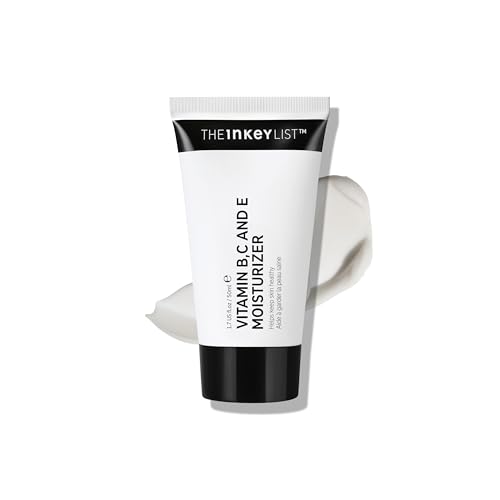
The Inkey List
Vitamin B
moisturizer · 50 ml · 22 ingredients
- Fragrance-free
- No essential oils
- With vitamin c
- With niacinamide

Anua
Peach 70 Niacinamide Serum
serum · 30 ml · 45 ingredients
- No essential oils
- With vitamin c
- With niacinamide
- With alpha arbutin
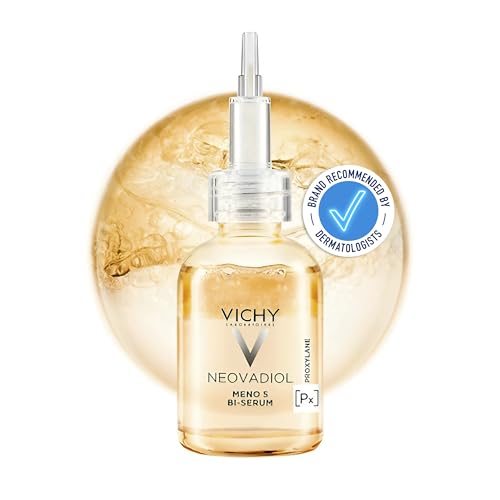
Vichy
Neovadiol Meno 5 Bi-Serum
serum · 2.4 l · 23 ingredients
- No essential oils
- With vitamin c
- With niacinamide
- With glycolic acid
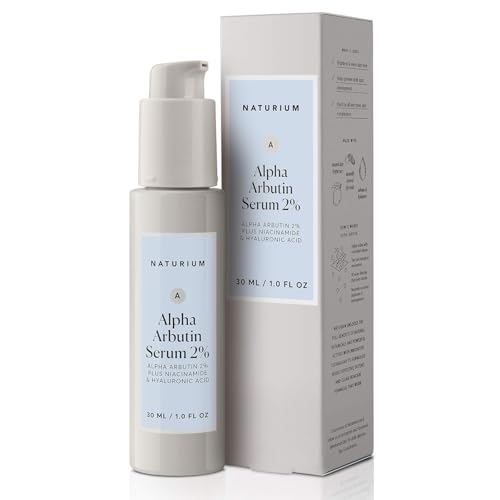
Naturium
Alpha Arbutin Serum 2%
serum · 30 ml · 20 ingredients
- Fragrance-free
- No essential oils
- With niacinamide
- With alpha arbutin
Frequently asked questions
Is L-ascorbic acid still the best vitamin C form in 2026?
It remains the form with the most extensive peer-reviewed clinical evidence for collagen synthesis, photoprotection, and pigmentation correction. However, 'best' depends on individual fit: LAA requires strict pH formulation (≤3.5) and careful storage, which renders it useless if not maintained. For sensitive or acne-prone skin, derivatives like sodium ascorbyl phosphate or magnesium ascorbyl phosphate have meaningful independent evidence and are better tolerated. The evidence landscape for derivatives has strengthened considerably — the gap has narrowed, though LAA in a well-stabilized formula is still the benchmark for maximum efficacy.
Do vitamin C derivatives actually work, or are they inferior substitutes?
They genuinely work, but through a conversion pathway rather than directly. All derivatives require enzymatic hydrolysis in the skin to release free L-ascorbic acid — the step that limits their peak intracellular concentration. In practice, sodium ascorbyl phosphate has RCT data showing nearly 49% acne lesion reduction at 8 weeks; magnesium ascorbyl phosphate has clinical trials demonstrating melanin reduction in melasma patients; 3-O-ethyl ascorbic acid and ascorbyl tetraisopalmitate have robust in vitro data with superior skin penetration profiles. They are not inferior in the clinical sense — they are differently suited.
Why does my vitamin C serum sting when I apply it?
Stinging is almost always caused by the low pH of L-ascorbic acid formulations — not an allergy or skin damage. LAA must be formulated at pH ≤3.5 to remain stable and penetrate the skin, and that pH is acidic enough to activate transient receptor potential channels in nerve endings. The sensation typically diminishes over a few weeks as the skin adapts. If stinging persists beyond 2–3 minutes or is accompanied by redness that does not resolve within 30 minutes, the formula may be too aggressive for your barrier. Switching to a neutral-pH derivative (SAP, MAP, ascorbyl glucoside) eliminates this issue entirely.
Can I use vitamin C in the morning and at night?
The standard recommendation is to use vitamin C in the morning where it provides antioxidant protection against UV-generated free radicals that accumulate during day exposure — this is its primary photoprotective function. Using it at night is not harmful, and some people apply it twice daily, but the evidence-driven rationale (photoprotection, free-radical neutralization from UV and pollution) is strongest for a morning application before sunscreen. If you use retinol at night, the low-pH conflict with LAA is an additional reason to keep vitamin C in the AM.
What percentage of vitamin C is effective?
For L-ascorbic acid, research consistently identifies 10–20% as the effective window. Below 8%, biological significance is marginal — the intracellular LAA concentration achieved is too low to meaningfully upregulate collagen synthesis or provide robust antioxidant protection. Above 20%, additional efficacy is not demonstrated and irritation increases substantially. The sweet spot is 10–15% for most skin types. For derivatives, effective concentrations vary by form: SAP is clinically studied at 5%; MAP at 5–10%; derivatives in general require different concentration thresholds because conversion efficiency is lower than direct LAA.
Is vitamin C safe for all skin tones?
Yes — vitamin C, in its various forms, is well-tolerated across all Fitzpatrick skin types and is particularly beneficial for deeper skin tones where post-inflammatory hyperpigmentation (PIH) is a more common concern. Its tyrosinase-inhibiting mechanism addresses one of the primary drivers of PIH. For deeper skin tones, a neutral-pH derivative (SAP, MAP) often makes more practical sense than a low-pH LAA product, as the lower irritation profile reduces the risk of post-inflammatory reactions that could themselves cause hyperpigmentation.
Sources
- 01Topical Vitamin C and the Skin: Mechanisms of Action and Clinical Applications — Journal of Clinical and Aesthetic Dermatology (JCAD), 2017-07-01. 10% topical LAA reduces UVB-induced erythema by 52% and apoptotic cells by 40–60%; the LAA + vitamin E + ferulic acid combination provides eight-fold greater photoprotection; effective concentration window is 10–20%; above pH 4 LAA rapidly oxidizes; MAP does not consistently raise intracellular LAA levels in all models.
- 02Vitamin C in Dermatology — PubMed Central / Indian Dermatology Online Journal, 2013-04-01. LAA cofactor for prolyl/lysyl hydroxylase enzymes required for collagen cross-linking; antioxidant regenerates vitamin E; tyrosinase inhibition via copper chelation; half-life in skin after maximum concentration is 4 days; toxic doses require 100–200× daily recommended dose (excellent safety margin).
- 03Ascorbic Acid (Vitamin C) as a Cosmeceutical to Increase Dermal Collagen for Skin Antiaging Purposes — PubMed Central / Nutrients (MDPI), 2022-09-13. AA stimulates procollagen I and III gene transcription; 25% and 21% increases in type I and type III procollagen mRNA in 6-month trial; hydrophobic precursors achieve 4.1-fold intracellular AA concentration versus 2.3-fold with free AA; ascorbyl 2-O-glucoside provides sustained LAA release via enzymatic hydrolysis.
- 04The Anti-Aging and Whitening Potential of a Cosmetic Serum Containing 3-O-ethyl-l-ascorbic Acid — PubMed Central / Antioxidants (MDPI), 2021-05-13. 3-O-ethyl ascorbic acid increased collagen production by >1,000% versus untreated controls; reduced UVB-induced DNA damage by 24% at 5 mg/mL; decreased melanin content by 17.1% after 4 days; more lipophilic and more stable than LAA.
- 05Persulfated Ascorbic Acid Glycoside as a Safe and Stable Derivative of Ascorbic Acid for Skin Care Application — PubMed Central / International Journal of Molecular Sciences, 2024-09-27. Stability comparison showing AA2G and AAGS outperform LAA across pH 2–6, temperature 4–60°C, and UV exposure; LAA degrades significantly above 25°C; chemical modification for stability does not significantly reduce antioxidant activity.
- 06Magnesium Ascorbyl Phosphate Vesicular Carriers for Topical Delivery; Clinical Assessment in Melasma Patients — PubMed Central / Pharmaceutics, 2022-04-11. MAP ethosomal gel showed clinically and statistically significant melanin level decrease after 1 month; MAP niosomal gel showed significant melanin decrease at 6 months in melasma patients — supporting MAP's melanin-reduction efficacy as a stable LAA derivative.