When Should You Start Anti-Aging Skincare? The Honest Answer
The short answer
Start sunscreen and a basic routine at any age.
The Real Question Behind 'When Should I Start'
The question "when should I start anti-aging skincare?" is actually four questions rolled into one:
- When should I start protecting my skin from UV damage?
- When should I start active ingredients (vitamin C, retinol)?
- When is the right time to see a dermatologist about prescription options?
- Am I already too late to benefit from anti-aging skincare?
Each has a different evidence-based answer, and collapsing them into a single question leads to common mistakes in both directions — starting aggressive actives too young, or assuming there's no point in starting because visible aging has already appeared.
When to Start Sunscreen: From Childhood
The short answer: as early as possible, within safety guidelines. The American Academy of Dermatology advises sunscreen use from 6 months of age (before 6 months, primarily protect infants from sun exposure through shade and clothing rather than sunscreen). After 6 months, broad-spectrum SPF 30+ is appropriate and important.
Why this matters for anti-aging:
UV radiation is the dominant driver of visible skin aging. Studies estimate that UV exposure accounts for approximately 90% of visible aging signs (wrinkles, pigmentation, solar elastosis, laxity) in fair-skinned individuals. This damage is cumulative — every unprotected UV exposure adds incrementally to the photodamage stored in the dermis.
By the time a person in their 30s presents with early fine lines and pigmentation, they may have accumulated 20–25 years of UV exposures. No topical active ingredient, including prescription tretinoin, can fully reverse deeply established photoaging. Prevention is structurally superior.
Practical implication: If you have children or teenagers in your life, the most impactful anti-aging intervention you can introduce is daily sunscreen — not retinol, not vitamin C, not peptides.
When to Start Vitamin C: Your Early 20s
Vitamin C (L-ascorbic acid) is the appropriate morning antioxidant to introduce in your early 20s. The rationale is dual:
1. Collagen synthesis is beginning to decline. Research from the American Journal of Pathology documents that collagen production begins its measurable ~1% annual decline in the mid-20s. Vitamin C is a required cofactor for the enzymes (lysyl hydroxylase, prolyl hydroxylase) that stabilize collagen triple helices — it is not optional for collagen integrity at any age, but its topical supplementation becomes more impactful as endogenous levels and collagen metabolism begin changing.
2. Free radical neutralization while UV exposure is still high. Most people in their 20s are outdoors, exercising, and exposing more skin than in later decades. Vitamin C neutralizes superoxide, hydroxyl radicals, and singlet oxygen generated by UV — a role it plays even when sunscreen is applied, because no SPF product blocks 100% of UV.
A vitamin C serum (10–15% L-ascorbic acid or stable derivative) in the morning is appropriate from the early 20s and has no meaningful downside for healthy, non-sensitized skin.
When to Start Retinol: Mid-to-Late 20s (for Anti-Aging)
The mid-to-late 20s is when most dermatologists recommend introducing retinol for anti-aging prevention specifically. The AAD's own skincare guidance for your 20s endorses retinol at this stage.
Why not earlier for anti-aging?
Retinol works by accelerating cell turnover and stimulating fibroblasts to produce collagen. In teenage and early adult skin, cell turnover is already rapid and collagen production is at its lifetime peak. There is no evidence that starting retinol at age 18 produces better outcomes at age 40 than starting at 25. Meanwhile, younger skin has a less developed enzyme capacity to process retinoids and may experience more irritation with less benefit.
The anti-acne exception: If you have acne, retinoids are appropriate from the early teen years. Adapalene 0.1% (Differin) became OTC in the US in 2016 and is AAD first-line for acne. Using a retinoid for acne in your teens or early 20s provides anti-aging benefit as a secondary effect, not a primary concern.
Starting a retinol correctly in your 20s:
- Begin at 0.025%–0.1%, two nights per week
- Apply to dry skin after cleansing
- Use the sandwich method (moisturizer, then retinol, then moisturizer) if your skin is sensitive
- Expect 4–8 weeks of retinization (mild dryness, possible temporary breakouts)
- Wear SPF 30+ every morning — retinol increases photosensitivity
Is It Too Late to Start in Your 30s, 40s, or 50s?
Absolutely not. This is the most damaging misconception about anti-aging skincare, and it causes people to avoid starting interventions that would meaningfully improve their skin trajectory.
The evidence is unambiguous:
Retinoids work at any age. Clinical studies have enrolled subjects in their 60s and 70s and demonstrated measurable collagen improvement after sustained retinol or tretinoin use. Dermal fibroblasts in aged skin remain responsive to retinoic acid receptor activation — they simply produce collagen at a lower baseline rate, so starting from a lower floor rather than a higher one.
Sunscreen still prevents further accumulation. Every year of unprotected UV exposure adds to photoaging. Starting daily SPF at 45 still prevents the photoaging that would accumulate in the 20 or 30 years following — that is a significant lifetime benefit.
The 2013 Hughes et al. trial enrolled adults up to 55. Daily SPF use reduced skin aging by 24% relative to discretionary use — even in this mid-life cohort, not just young adults.
The practical reality is that the earlier you start, the more you prevent. But starting late is incomparably better than not starting, and dermatologists routinely achieve meaningful improvements in patients who begin an evidence-based routine in their 40s and 50s.
What 'Starting Too Early' Actually Means
Starting anti-aging skincare too early is not about chronological age — it is about using interventions before they are appropriate or needed.
In children and early teens (under 14): High-strength retinoids, AHA exfoliants (glycolic, lactic acid), and actives like niacinamide at clinical concentrations are not indicated for anti-aging at this age. Young skin has a high natural cell turnover rate and robust collagen production. The primary risk is barrier disruption: aggressive products on adolescent skin can impair the barrier, trigger or worsen acne, and cause contact sensitization. The appropriate focus at this stage is cleansing, SPF, and managing acne through appropriate treatments if it occurs.
In teenagers (14–19): Adapalene 0.1% (OTC) and benzoyl peroxide for acne are appropriate and safe. A vitamin C serum and SPF 30+ are appropriate for anti-aging prevention if desired. High-strength retinol (0.5%+) or prescription tretinoin for cosmetic anti-aging purposes is not generally indicated without a clinical reason — not because it would be harmful, but because the benefit-to-risk calculation favors waiting until there is actual age-related collagen decline to address.
Across all ages: The skincare industry creates urgency that the clinical evidence does not support. A 22-year-old does not need a 0.5% retinol, peptide eye cream, or growth factor serum. A consistent, simple, evidence-based routine (SPF, vitamin C, moisturizer, retinol when the time comes) will outperform an aggressive, complicated one — particularly when overuse causes barrier damage that sets back the skin's own repair capacity.
The Timeline: What to Start and When
| Age Range | Appropriate Additions |
|---|---|
| Childhood (6 months–12) | SPF 30+ broad-spectrum daily, gentle cleanser, sun-protective habits |
| Early teens (12–16) | SPF 30+ daily, gentle cleanser, fragrance-free moisturizer; acne treatments (benzoyl peroxide, salicylic acid, adapalene 0.1% OTC) if acne is present |
| Late teens (16–19) | Add vitamin C serum (optional but evidence-based); continue SPF, cleanser, moisturizer; adapalene for acne |
| Early 20s (20–25) | Vitamin C serum morning; establish a consistent routine with SPF, moisturizer; low-strength retinol if acne or early texture concerns |
| Mid-to-late 20s (25–30) | Introduce retinol 0.025–0.1% for anti-aging prevention; build systematically; consider niacinamide for oiliness, pores, or uneven tone |
| 30s | Retinol (increase concentration as tolerated); discuss tretinoin with a dermatologist if seeking faster results; maintain consistent SPF and vitamin C |
| 40s+ | Retinol or tretinoin ongoing; SPF remains highest priority; professional consultation for any significant structural aging (filler, laser, RF) |
The Dermatologist Conversation: When to Have It
See a board-certified dermatologist when:
- OTC retinol is not producing the results you want after 6 months of consistent use — prescription tretinoin is substantially more effective
- You have significant post-inflammatory hyperpigmentation, melasma, or persistent acne that OTC options have not controlled
- You are considering professional anti-aging procedures (chemical peels, laser resurfacing, radiofrequency, injectables)
- You have questions about rosacea, eczema, or a skin condition that interacts with anti-aging products
- You are pregnant or planning to become pregnant — retinoids are contraindicated and a dermatologist can guide safe alternatives
Products that fit: mature skin
Picked by code from each product's full ingredient list.

Anua
Peach 70 Niacinamide Serum
serum · 30 ml · 45 ingredients
- No essential oils
- With vitamin c
- With niacinamide
- With ceramides

Medik8
Advanced Pro-Collagen+ Peptide Cream
moisturizer · 50 ml · 56 ingredients
- Fragrance-free
- No essential oils
- With peptides
- With vitamin c
- With ceramides
Olay
Super Serum Large Serum
serum · 50 ml · 26 ingredients
- No essential oils
- With peptides
- With vitamin c
- With niacinamide
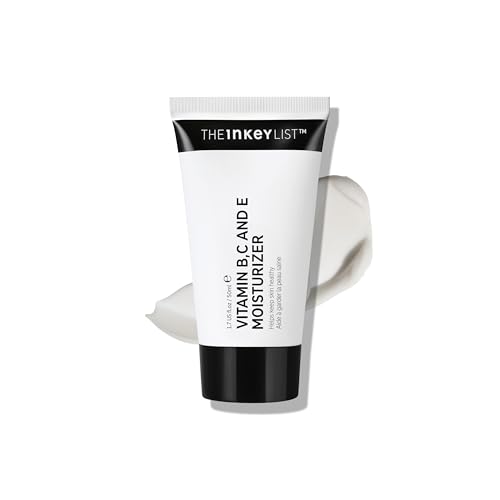
The Inkey List
Vitamin B
moisturizer · 50 ml · 22 ingredients
- Fragrance-free
- No essential oils
- With vitamin c
- With niacinamide
- With hyaluronic acid
Frequently asked questions
What is the honest evidence on the best age to start anti-aging skincare?
Sunscreen from childhood. Vitamin C serum from your early 20s. Retinol from your mid-to-late 20s for prevention, or earlier for acne. The AAD endorses this staged approach, and it is grounded in when each intervention delivers clinically meaningful benefit relative to the skin biology of each life stage. There is no single 'best age' — the question is which intervention and why.
Is 25 too early to start retinol, or should I wait until I see wrinkles?
25 is not too early — it is approximately the right time to start retinol for anti-aging prevention. Waiting until wrinkles are visible means waiting until the underlying collagen loss and photoaging have already accumulated over years. Prevention is the more effective strategy, and collagen decline is documented to begin in the mid-20s. Starting at 0.025–0.1% at age 25 is clinically appropriate and endorsed by the AAD.
I'm in my 40s and never used anti-aging skincare. Is it too late?
No. Retinoids produce measurable collagen improvement in skin at any age, and studies have confirmed efficacy in subjects in their 60s and 70s. Daily sunscreen still prevents the photoaging that would otherwise accumulate in the coming decades — a 24% reduction in aging rate (from the Hughes 2013 RCT) is meaningful at 45 just as it is at 25. Starting an evidence-based routine now — SPF, vitamin C, retinol — will produce better skin in 10 years than doing nothing.
Do teenagers actually need anti-aging skincare?
Teenagers need SPF 30+ daily — photoprotection is always age-appropriate, and UV damage accumulates from birth. For anti-aging actives like retinol specifically, teenagers do not need them for cosmetic anti-aging purposes; collagen production is at its peak and cell turnover is already rapid. However, if acne is present, adapalene 0.1% (OTC, AAD first-line for acne) delivers anti-aging benefit as a secondary effect. A vitamin C serum is appropriate in the mid-teens if desired, but is not urgent.
Can using anti-aging products too young make your skin age faster?
Using the right products at age-appropriate concentrations does not accelerate aging. The risk with starting retinol or strong AHAs too aggressively (in any age group, but more commonly seen in young enthusiasts) is barrier disruption — which can cause more inflammation, post-inflammatory hyperpigmentation, and reactive conditions. The solution is using appropriate concentrations, starting slowly, and prioritizing barrier health. A damaged barrier ages faster; starting too aggressively and damaging the barrier is the actual risk, not the ingredients themselves when used correctly.
Sources
- 01Dermatologist-recommended skin care for your 20s — American Academy of Dermatology (AAD). AAD endorses introducing retinol and vitamin C in your 20s as additions to the core cleanser-moisturizer-SPF routine; dermatologists note skin care choices in your 20s affect appearance in subsequent decades.
- 02Anti-aging skin care guidance — American Academy of Dermatology (AAD). AAD recommends daily broad-spectrum sunscreen as the foundation of all anti-aging routines at every age; notes that retinol and other actives are appropriate preventive additions from the 20s onward.
- 03Sunscreen and Prevention of Skin Aging: A Randomized Trial — Annals of Internal Medicine / PubMed, 2013-06-04. Daily broad-spectrum SPF use in adults (under 55) reduced measurable skin aging by 24% over 4.5 years compared to discretionary use — primary RCT evidence for sunscreen's anti-aging benefit across adult age groups.
- 04Decreased Collagen Production in Chronologically Aged Skin — American Journal of Pathology, 2006-06-01. Collagen production declines approximately 1% per year from the mid-20s; dermal fibroblasts from individuals over 80 produce 68% less Type I procollagen than those aged 18–29.
- 05A Dermatologist's Guide to Skincare from Growing Up to Glowing Up — American Academy of Dermatology (AAD). AAD recommends sunscreen from age 6 months, gentle cleanser and moisturizer for tweens, acne-specific actives (benzoyl peroxide, salicylic acid, adapalene) for teens; notes that more is not more in skincare and consistency outweighs product count.
- 06Retinoids in the treatment of skin aging: an overview of clinical efficacy and safety — PubMed Central / Clinical Interventions in Aging, 2006-12-01. Retinoids produce measurable collagen and epidermal improvement in aged skin across adult age groups; the evidence base for retinoid anti-aging extends to elderly skin in multiple clinical studies.